Lately in the WhatsApp channel, there has been a lot of lively interest in the critical reception of Christopher Nolan’s recent Odyssey film. This post is mean to provide a convenient summary of that long-running thread.
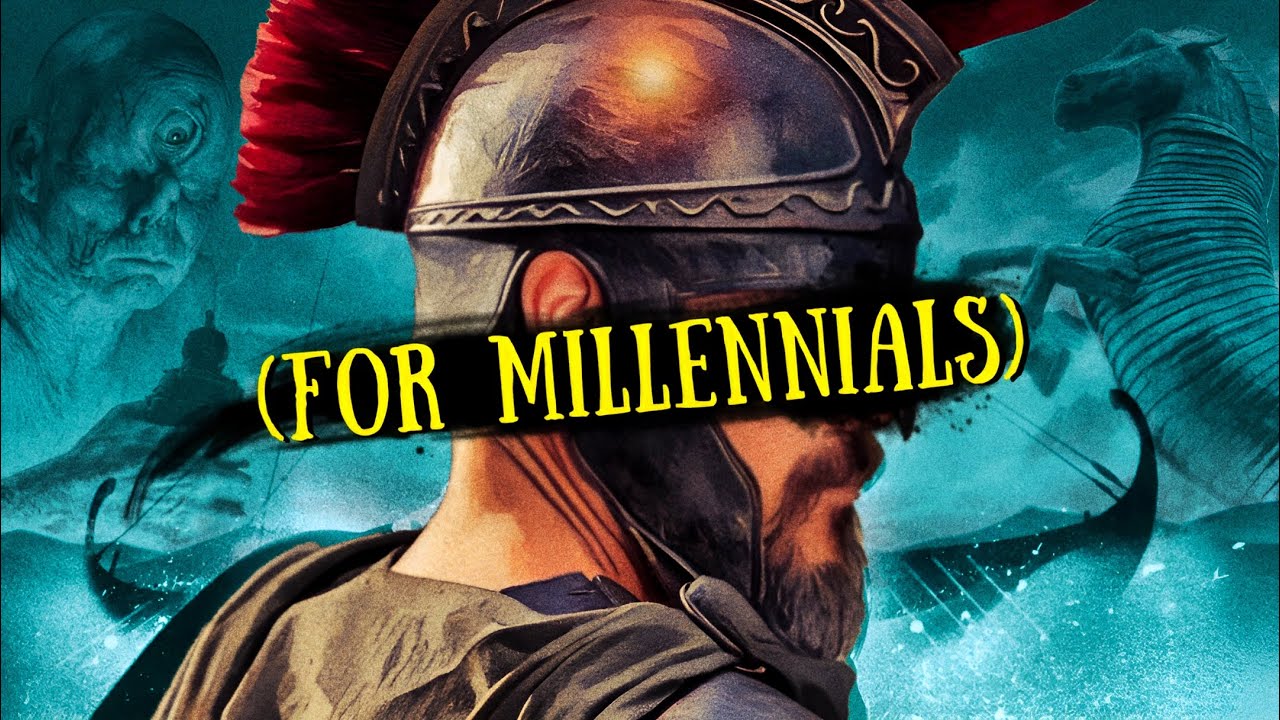
This reviewer saw the same film I did (spoilers!)
MH: Excellent video. Makes me want to see the movie.
I’ve long held the view Trump is a Trojan Horse. Hope I can make the meeting this afternoon. Layers and layers…
DJ: I haven’t seen the movie yet, but I’ve noticed the Trojan Horse archetype manifesting in various ways in macro culture. AI bubble and all that.
RB: My initial impression in the theatre matched the reviewer - “OMG, this is really a film about the metacrisis!” Since then I have consumed many opinions about the film. It’s ersatz Christian. It’s neo-conservative. It’s woke. It’s Hollywood, not Homer. Where are the Greeks? Where are the British accents with gravitas (because of course all ancients spoke like Shakespearean stage actors!) It’s anachronistic (so was the original Homer, BTW). Beyond that, Bronze Age collapse and early Axial Age are my jam anyway, so I hope to air all this out later today!
RB: Also, this from Jeremy Johnson this morning. What Julian Jayes and Jean Gebser had to say about the Odyssey was very much on my mind while viewing the Nolan film last week. Much Ado About The Odyssey - by Jeremy D Johnson
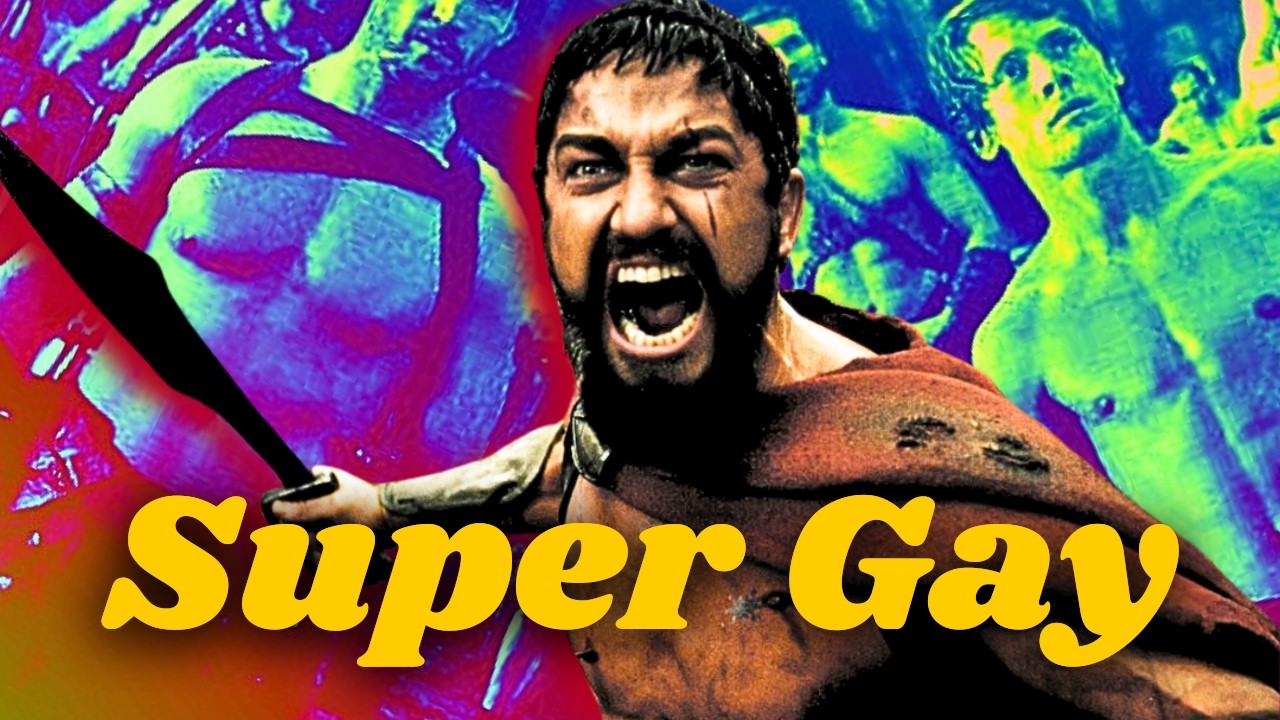
MB: In regards to the Nolan/Odyssey discussion.
By Damien Walker if someone knows him
(Yes the title is very clickbaity)
MH: [being pedantic about the thumbnail]
The Greeks and the Romans had a deeply patriarchal, if slightly different than modern Western, notion of sexuality (more restrictive than the societies around them, probably). It was (cisgender male) tops who got to be “men”, regardless of the bottom’s gender. In fact, some of the Greek philosophers advocated a preference for men… not because they were queer theorists, but because they hated women so much, they thought it was ideal to cut them out of everything if you could.
Critically, this is still a strict hierarchical gender system that distributes violence downward and labor (especially sexual labor) upward. The nuances of its purity standards for “real” cisgender men who had the right to rule may have been slightly different, but the labor-exploited, violence-absorbing feminized underclass is pretty much the same (+ legal slavery).
Jokes to make contemporary white nationalists uncomfortable? Absolutely. Reactionaries always underestimate how much societies have changed (and how much dis-continuity there is between us and Ancient Greece). But if we’re looking for a kinder and freer society  I would not look there
NG: The West sure loves its self-image of superior, cultured civilization sprouting up ex-nihilo in ancient Greece amongst a sea of barbarians to invent philosophy, arts, and all human sophistication.
RB: The ancient Greeks themselves had that self-image! Our problem of the moment is the loudest voices banging the drum for “Western Civilization” are not themselves especially civilized, would not recognize a Western Civ. curriculum if it ran over their golf carts, and would struggle to offer an informed opinion, for example, on Matthew Arnold’s Hellenism and Hebraism. “Jesus” for that crowd is a sort of barbarian war-god who demands the slaughter of innocents as blood sacrifice to gain wealth and power. That sort of attitude was in fact quite common in the West - during the European Dark Ages. One of my favorite books is Norbert Elias The Civilizing Process. Perhaps we are currently witnessing the Decivilizing Process!
DJ: [2:57 AM, 8/1/2026] +49 15565 968904: Plato and Herodotus seemed to think highly of the Egyptians and their wisdom. But I’m sure it’s a complicated question.
[2:59 AM, 8/1/2026] +49 15565 968904: But I do fully agree that those who bloviate most about ‚Western Civilization‘ are often the most ignorant
MH: “This is how societies and nation states and patriarchies legitimize themselves. I mean, the Greeks were comparing themselves to Babylonians.
They didn’t fucking know anything that was going on in Babylon. That culture had died a thousand years ago and Greeks were like, no, they totally did all this awesome stuff and we kind of inherited that. And it’s totally weird.
I do love how every quote unquote great civilization is always like, and in the past, there was this great culture and we have lost our way and we must go back there. And even the fucking post-colonialist and feminist do is like, oh, our lost pre-colonial gender expansive matriarchy is like, motherfuckers, stop trying to crawl back into the womb. I want to see one goddamn hegemony be like, the past we came from was dog shit and we’re going to do better.”
From Cracked Ivory: Spotlight: Interview with Maria Ying, Author of “The Hades Calculus”, Jan 21, 2026
RB: From a Jungian standpoint, the “golden age” was very much in utero! Nostalgia, if unpacked through analysis, is the longing to go back there. That journey, of course, cannot be taken, so we have to project something else. The happy tribal days of hunting mastodon on the frozen steppe or some such. My preference is just to peer into the Void. We have nothing to lose by doing that, nothing we are not going to lose anyway. Nothing can tell us the most about the next Something!
DJ: This seems like a bit of a false dilemma. Does it have to be either wholesale disavowal of past cultures as dogshit, or uninformed desire to return to a romanticized past that never was?
RB: Here is a make something or another great again guy. He says Nolan’s “supporters” wrongly think Nolan’s Odyssey interpretation was Christian or conservative. I have seen those kinds of critical interpretations - but they were not exactly IMO supportive! This critique thinks Nolan did not Christianize the story nearly enough (and somehow that sort of Christianization would be been extremely faithful to the original Homer).
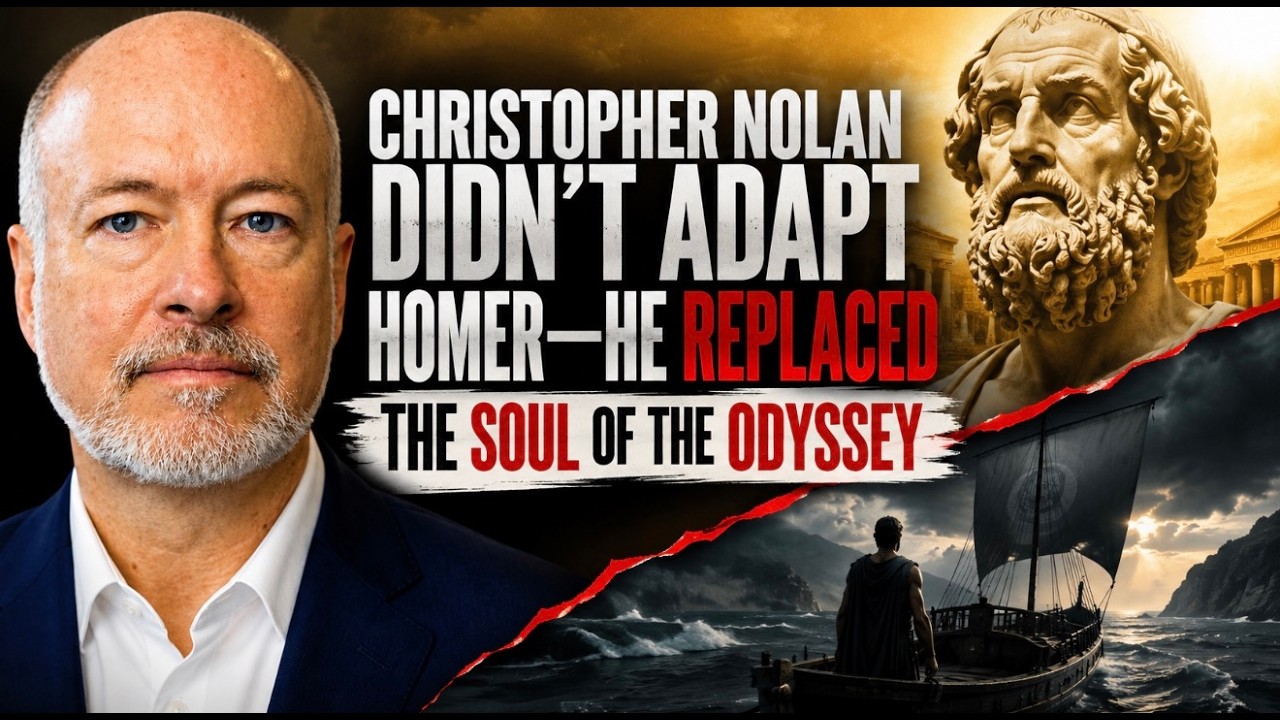
RB: n this video, Christopher Nolan speaks for himself. Among other things, on the question of the “Christianization” of the guilt of Odysseus, Nolan points out this may just be how the audience is wired to process what the film portrays. It’s a sort of neo-Kantian point: audiences bring a priori narrative framing to film, and filmmakers not only have to strategize how to film an idea, but also how the audience is likely to receive the idea. https://www.youtube.com/watch?v=wa4I8Ch2TRo
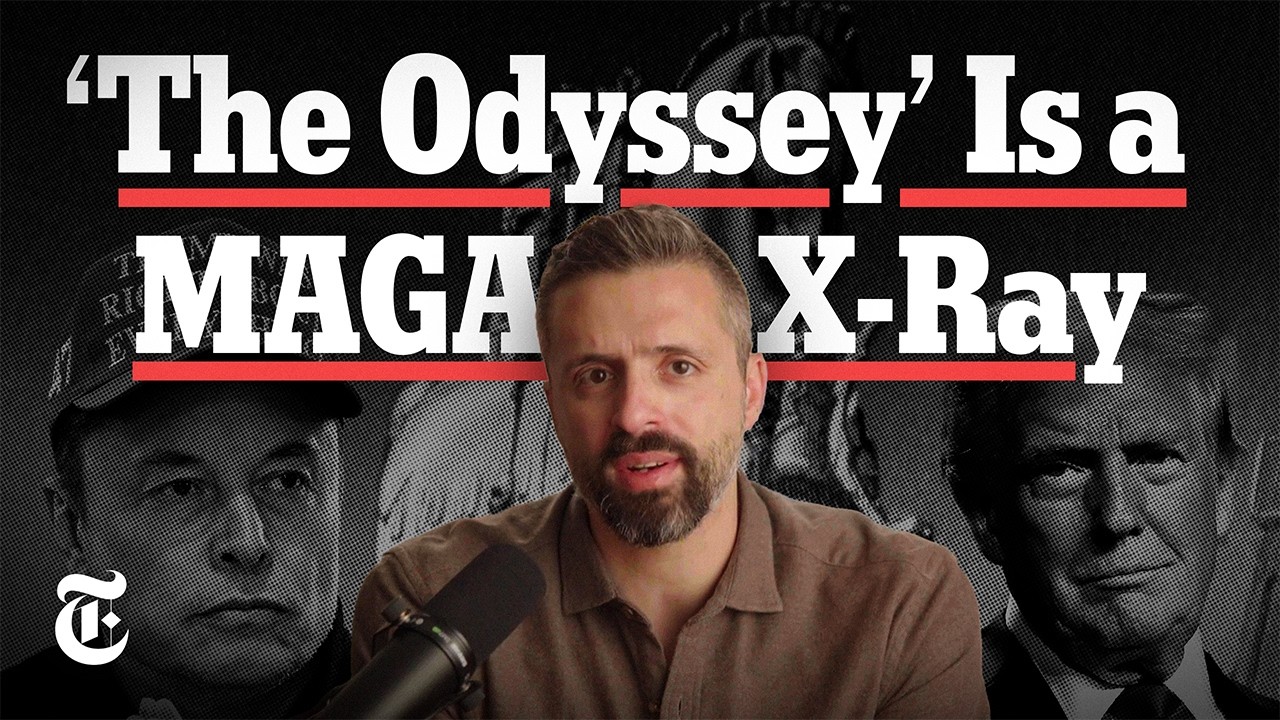
MH: The Odyssey as tech criticism - by Brian Merchant
MH: An excellent cultural analysis
 . Meanwhile, the producers are rubbing their hands in glee…