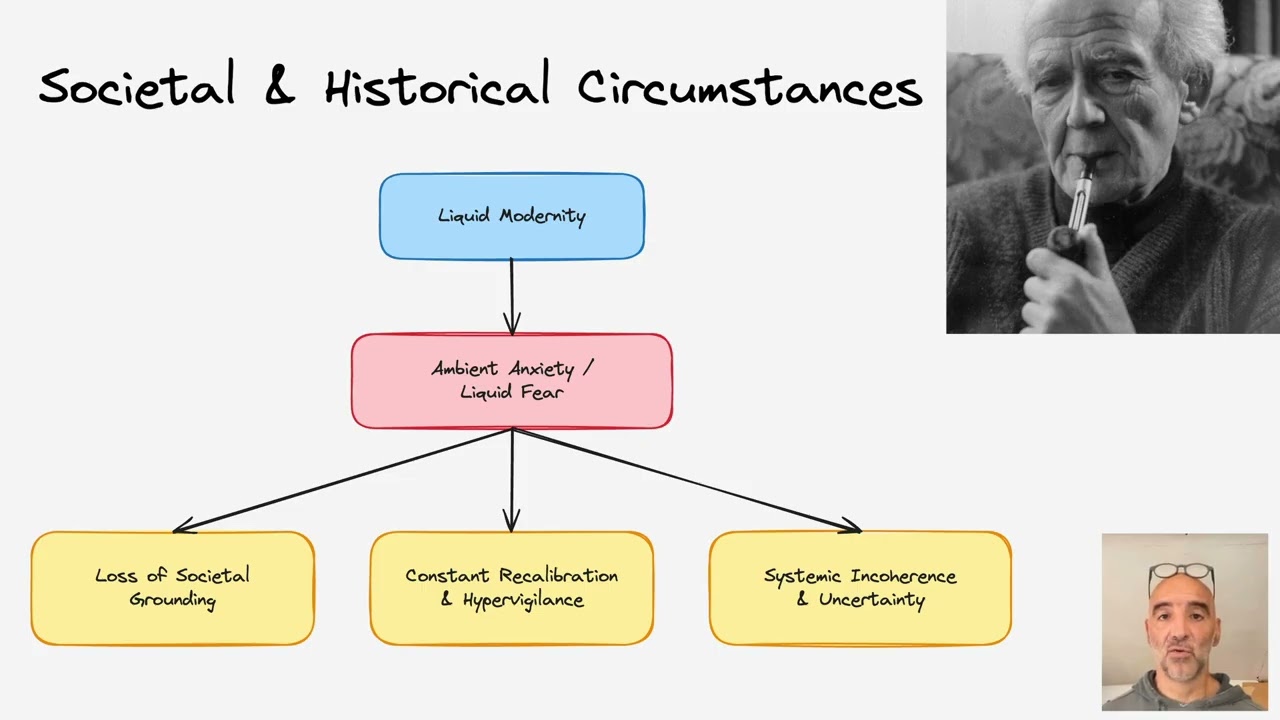
I was looking for a shorter title, but it was hard to condense it. If you can think of something better, post it in the comments.
This is an experimental video about the use of the term “conspiracy theorist” to apriori discredit someone on the basis that they are irrational and exclude them from the discourse.
There are sociological and psychological aspects of it. Social fields protecting their authority to produce knowledge by deploying defence to the threat of “alternative” theories not coming from the fields themselves.
Then there’s the apparatus of deploying this doctrine through the academia, media and culture.
Finally, it gets embodied in people in such way that they act as gatekeepers for the science to allow it to perpetuate its position as the legitimate source of rationality and knowing.
On the practical side, there are technical challanges to making and promoting these videos. I’ve built various tools to automate the production of diagrams and titles, but putting it all together still took 4-5 days.
In order to promote it using LinkedIn or X - you need a different aspect ratio. Over several days, a sequence of clear and concise short videos should be published, linking them to the full length video.
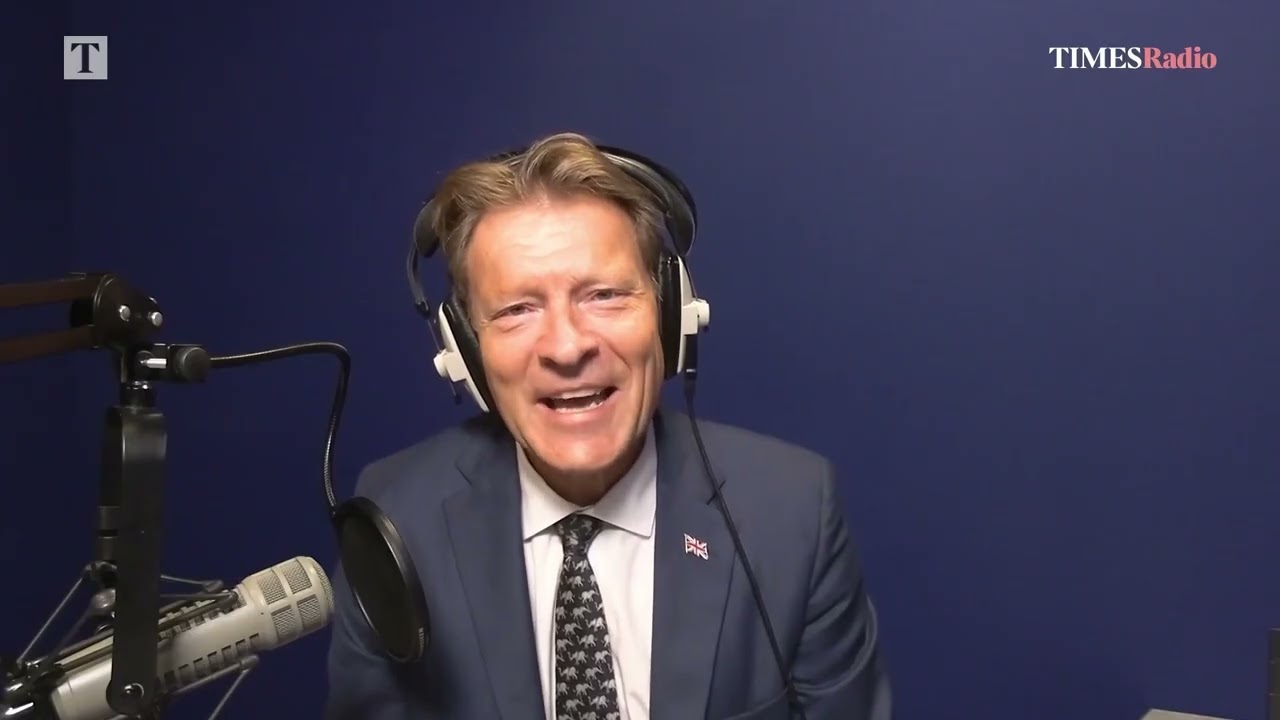
The one that I did on Doxa a couple of weeks ago was built around and referenced Richard Tice’s interview and it seems to have been favoured by the algorithms. Going forward, I think it’s best to always tie the topic to something that’s currently trending.
You say “To hypothesise that a set of events has something do to with a conspiracy is therefore rational”. I don’t judge any hypothesis as rational or irrational, why would anyone? It’s not rational any more than it is irrational. We all have our own background assumptions which help us to make initial judgements based on appearances about whether a speculation is reasonable or not. But surely, isn’t what matters whether people are able and willing to question their own assumptions and take relatively reliable evidence into account? Yes, there is propaganda and there are many attempts to persuade people of the truth or falsity of different hypotheses. Are we (or others) able not only to reason collectively about the likely truth of some hypothesis, but also to look at the ever-relevant “cui bono” — or sometimes “follow the money”? We need not only to look at the motivations of people who dismiss things as conspiracy theories, but also to look critically at what the motivations are, or may be, of those who support the idea of particular conspiracies.
For sure, there have been, and are, real conspiracies. Let’s not dismiss that at all. Equally, there seem to be several reasons why people are prone to mistakenly believe in conspiracy ideas. Personally, looking at the public as a whole, I don’t think that people are over-dismissive of conspiracy theory. There are evidently a whole lot of people who believe in fictional conspiracies, and they have their own motivations and reasons. I saw recently the idea that one motivation for believing in conspiracy theories is the need to feel special.
Personally, I would not want to use any “label” to exclude topics and speakers from public discourse. Labelling exists on all sides of debates — and some people are excluded from some platforms for not believing in a particular belief system, possibly including conspiratorial matters?
To hypothesise is an epistemic method - individual hypothesis is an epistemic object.
Therefore - the method is not irrational in itself, but individual hypothesis can be irrational.
As for you question - “why would anyone” - it’s because there’s no view from nowhere.
The topic of the video is that the term conspiracy theory is increasingly being used to label certain theories, topics and people as not worthy of contemplation. The rationale for their disqualification is provided by the social fields that are authoratitive adjucators of rationality. The claim is that in doing this “boundary-work” they are more concerned with protecting their authority, legitimacy and independence than with the quest for knowledge.
There’s, of course, ideological side of it as well.
You’re mentioning “people are prone to mistakenly believe in conspiracy ideas”. How would we know which “conspiracy ideas” are wrong to decide that people mistakenly believed in them? How would we know if a conspiracy theory is fictional or not?
Is Christianity a conspiracy theory? Conspiracy theories have been likened to religious dogma.