Context and Setup
- Week 6 and final session of the initial Research Circle subcircle experiment
- Session framed as an open debrief: what worked, what didn’t, what to change
Overall Verdict on the Experiment
- Bob: got everything he wanted; goal was a focus group, and even negative feedback would have been useful
- Rufus: found it genuinely nourishing and generative; a real sense of performing
- General consensus: a worthwhile first iteration, not to be repeated in identical form
What Worked
- More focused format than the regular speaker-of-the-week sessions
- Goal session (session 4) was a standout: David’s Logical Thinking Process (LTP) material catalyzed significant thinking for several participants
- The Second Renaissance framing: mythic enough to allow organic growth, not so rigid it becomes a cult of personality
- Bob: feels like a jazz club, not a concert hall with sheet music
- Contrast with Integral Theory, which requires strict adherence to its idiom
- Openness to diverse contributors (e.g. Mars on the forum) seen as a major strength
What Didn’t Work
- No stated goals or success criteria at the outset; made the debrief harder
- Topic too broad: “What is the Second Renaissance?” was a one-off kickoff, not a repeatable research frame
- Lack of structure led to going “all over the place,” frustrating both those who wanted focus and those who didn’t
- Single subcircle at a time becomes a general meeting by default; doesn’t allow real subgroup formation
- Attrition: started at 9-10, trailed off (though Bob noted this is par for the course in any series)
Improvements for Future Subcircles
- State goals and success criteria clearly at the start
- Run a one-off taster/orientation session before committing to a multi-week series
- Like Open Space Technology: one-minute pitch so people know what to expect
- Post a forum summary after each session; use AI (e.g. Granola) for transcription and synthesis
- Simon: “You can just watch the video” doesn’t work; summaries are essential
- Remind participants of the session topic at the start of each meeting; link back to the forum post
- Avoid introducing too many new tangential references mid-series; maintain the underlying structure
The Case for Multiple Simultaneous Subcircles
- Simon: one subcircle at a time collapses into a general meeting; multiple concurrent ones allow real specialization
- Enables people to belong by belief system, methodology, or specific interest
- Requires differentiated rules of engagement per space, not a single universal code of conduct
- Time zone reality: Europe/US/Australia overlap is nearly impossible; temporal geography may force differentiation anyway
Content Structure and the “Trees” Framework
- David: progress for the research group means being able to update the claim/logic trees (diagnosis, solutions, actions)
- Trees give a way to contextualize incoming content: does this fit? Where does it sit?
- Subcircles can form organically around topics that the trees surface as needing attention
- “Context map” idea: a visual garden of the group’s interests so newcomers can locate themselves
- Not just a random assortment; has action at the end (problems → solutions → actions)
Fantasy Staffing Model and Outreach
- Bob’s vision: senior researchers as “content captains” in specialized verticals (cognitive psychology, systems theory, culture change, history, etc.)
- People relate to people better than to artifacts; role models matter (per Vervaeke)
- These captains would also be “fishers of men” for their content area
- David: experimented with a Bluesky bridge monitoring metacrisis and #secondrenaissance tags; easy to surface interested people
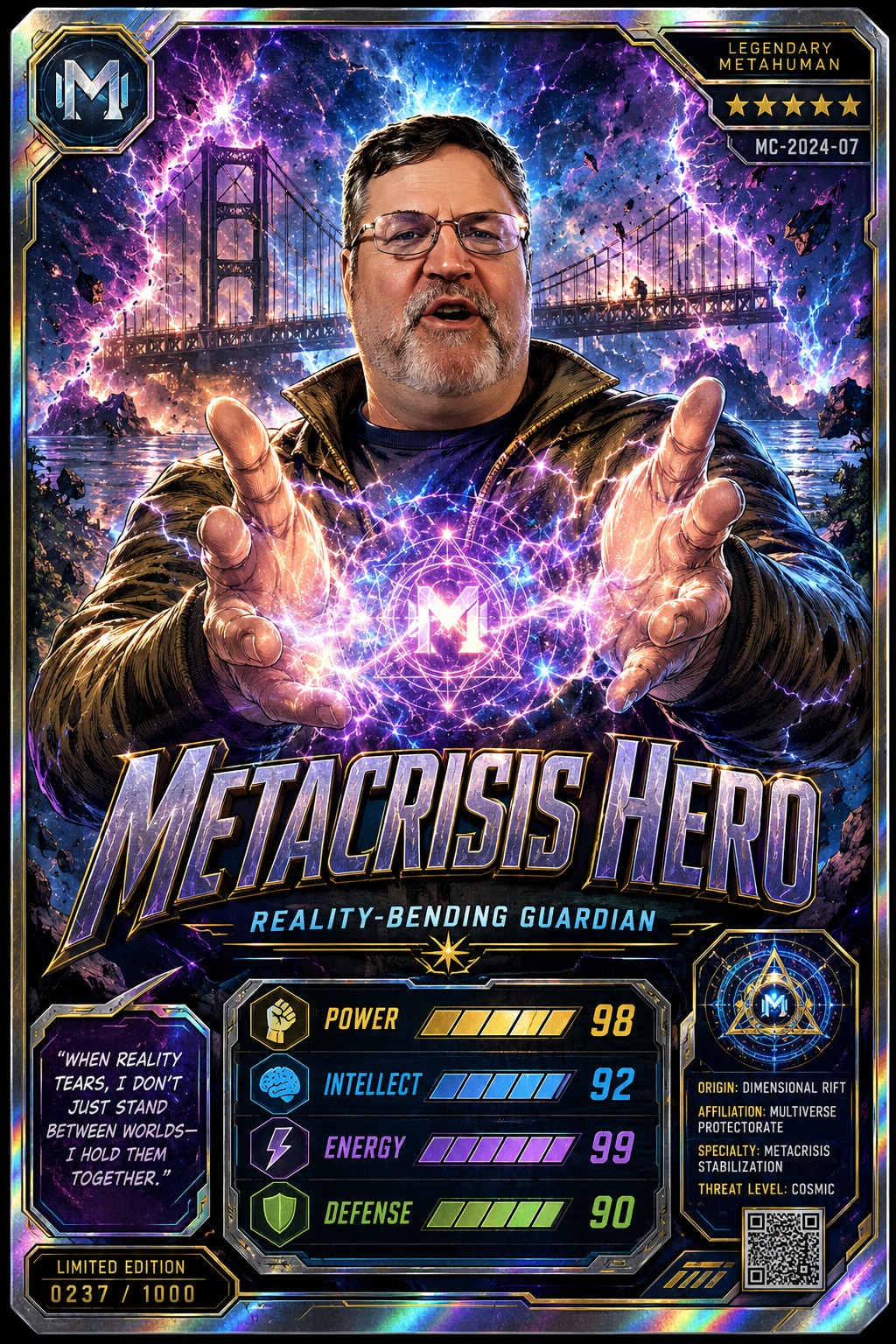
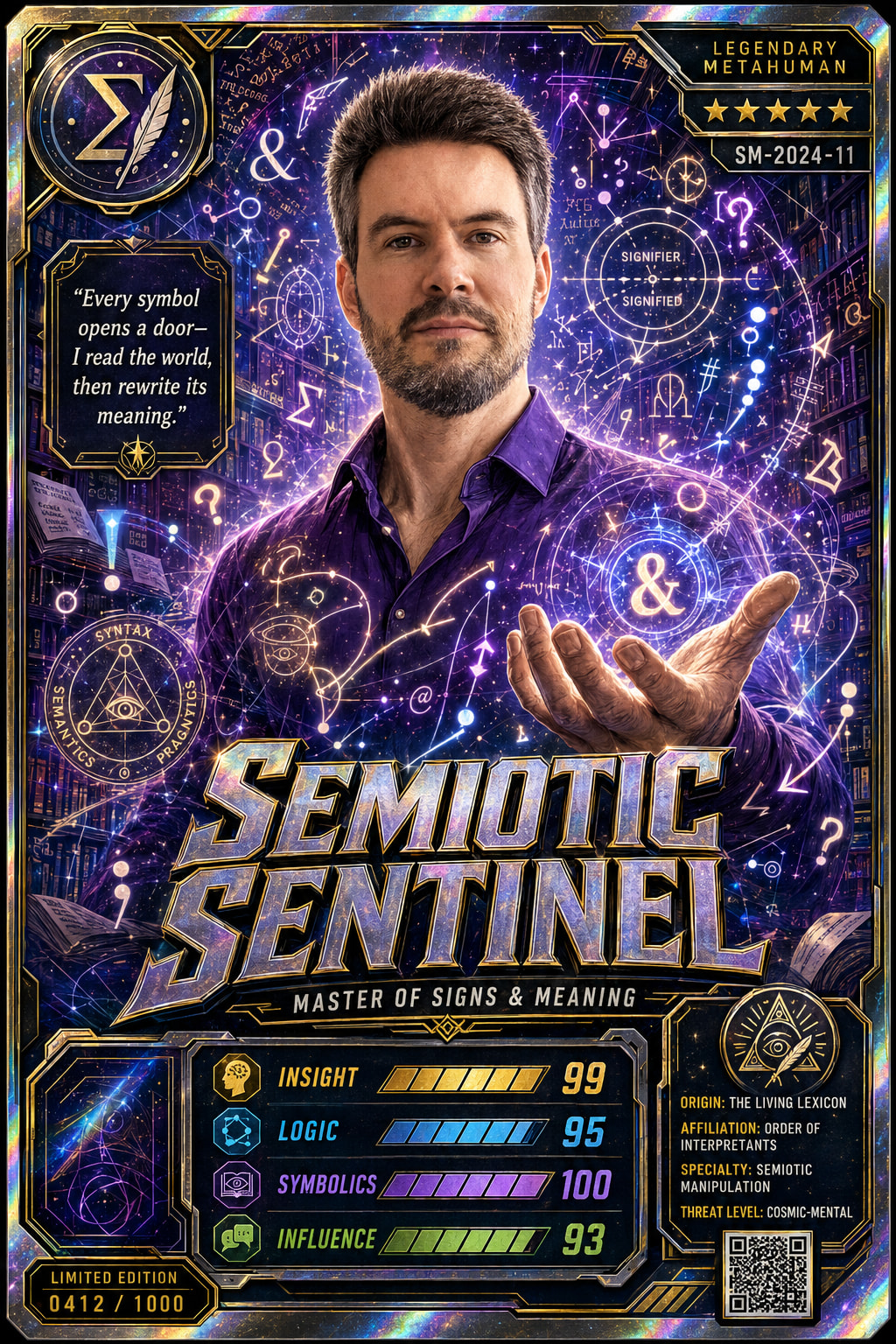
- Debate on personification and “role model trading cards”:
- Bob: archetypal, works for onboarding; every pantheon (Buddhism, Marvel, Catholic saints) does this
- Simon: fine for undergraduates, not for a research group; loses interest once it becomes general ed
- Resolution: both/and, parallel tracks: an entry-level explorer course and a graduate-level research group
- Rufus: Explorer Course as the undergraduate entry point; could have multiple facilitators running different versions
Timing and Next Steps
- Bob: avoid multi-week series in July/August; attrition is too high
- One-offs (e.g. Nimrod presenting) are fine in summer; commit to a new series from mid-September
- Asynchronous formats (forum, Discord) don’t need to be limited by the weekly video call cadence
- Branding note: events moving to the Second Renaissance calendar; YouTube and Instagram already renamed
Next Steps
- Post AI-generated notes from this session to the forum
- Granola transcript available; summary would let absent members catch up before the next session.
- Plan a one-off taster session before launching the next subcircle series
- Orient participants to topic, rules of engagement, and expected format before committing to a multi-week run.
- Target mid-September for the next multi-week subcircle
- Summer one-offs (e.g. Nimrod) are fine; avoid committing a full series until then.