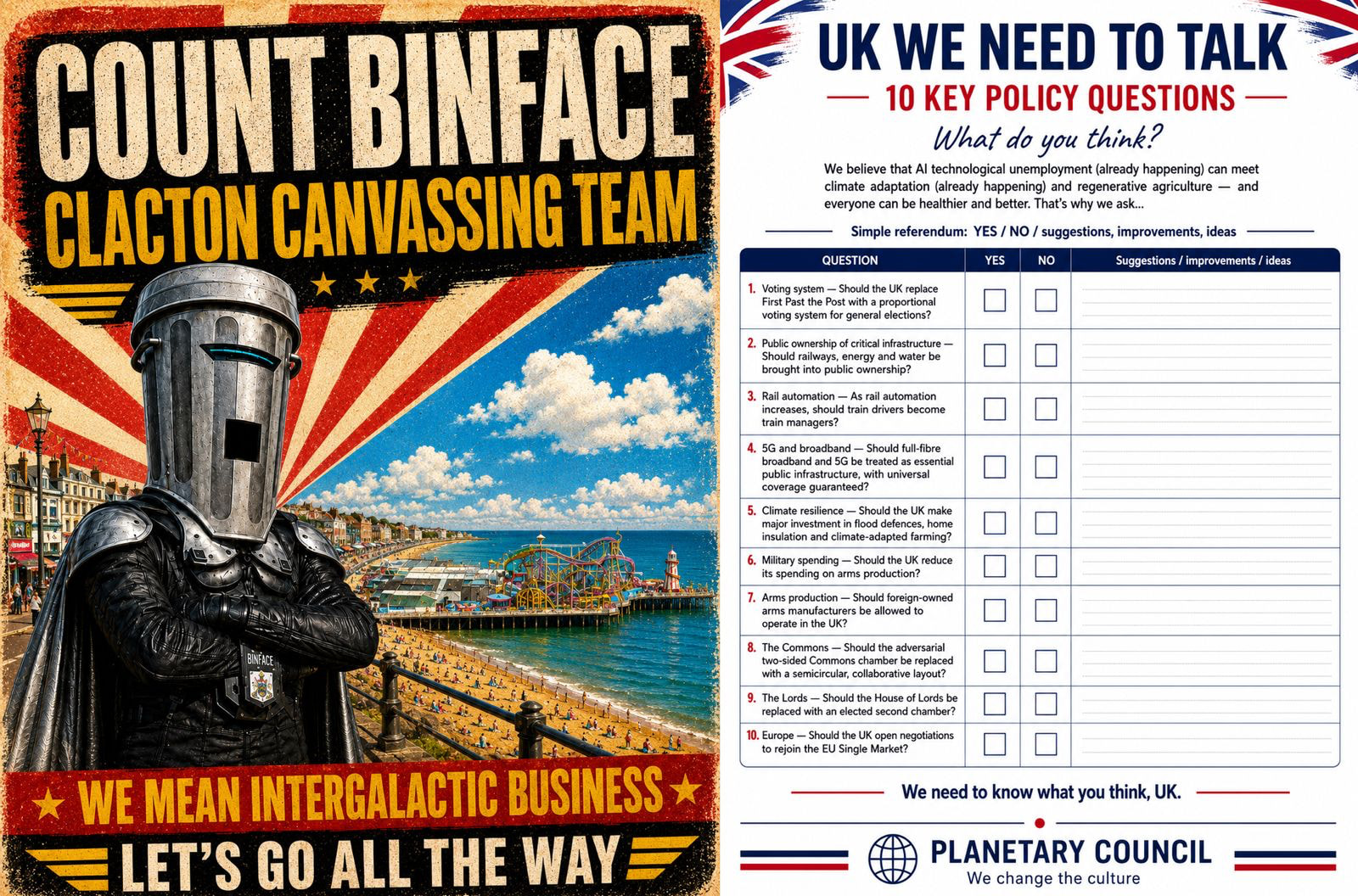
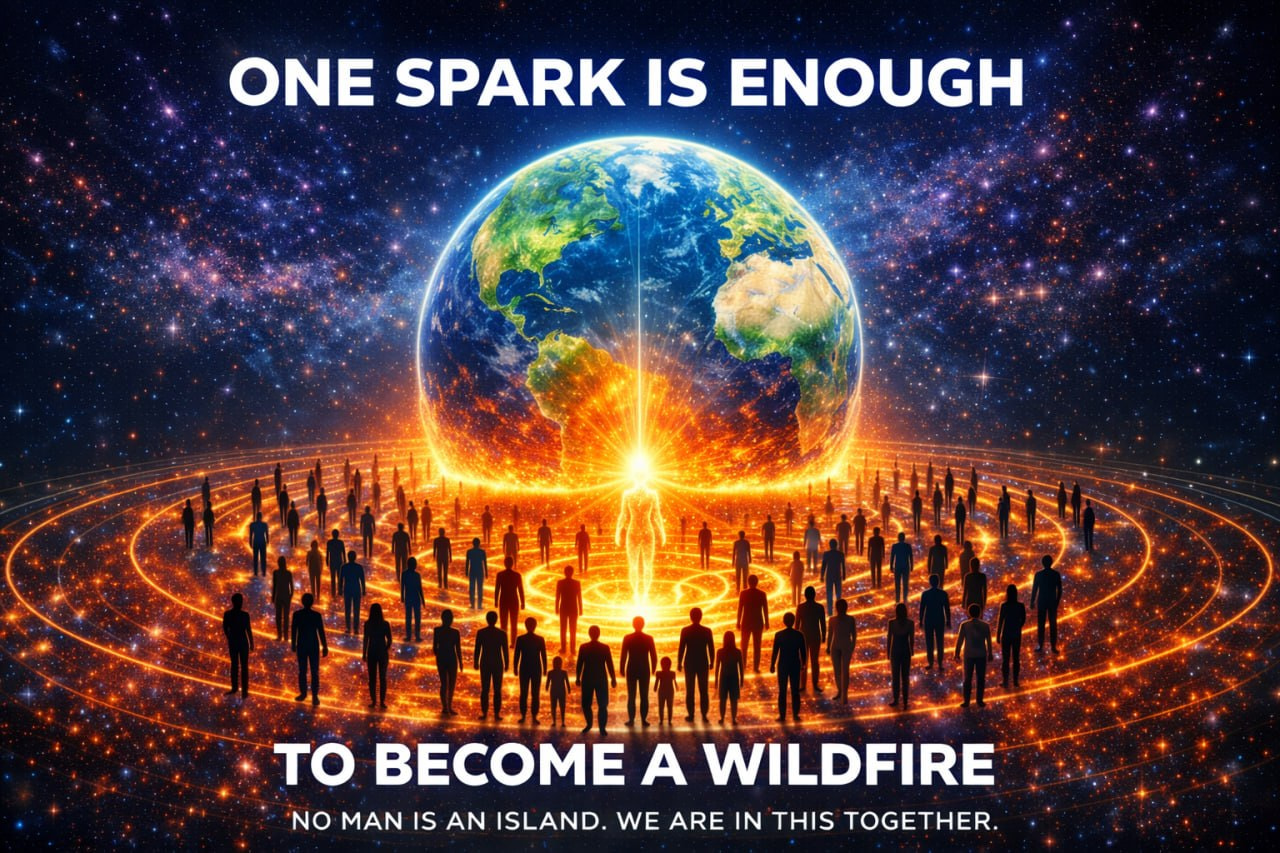
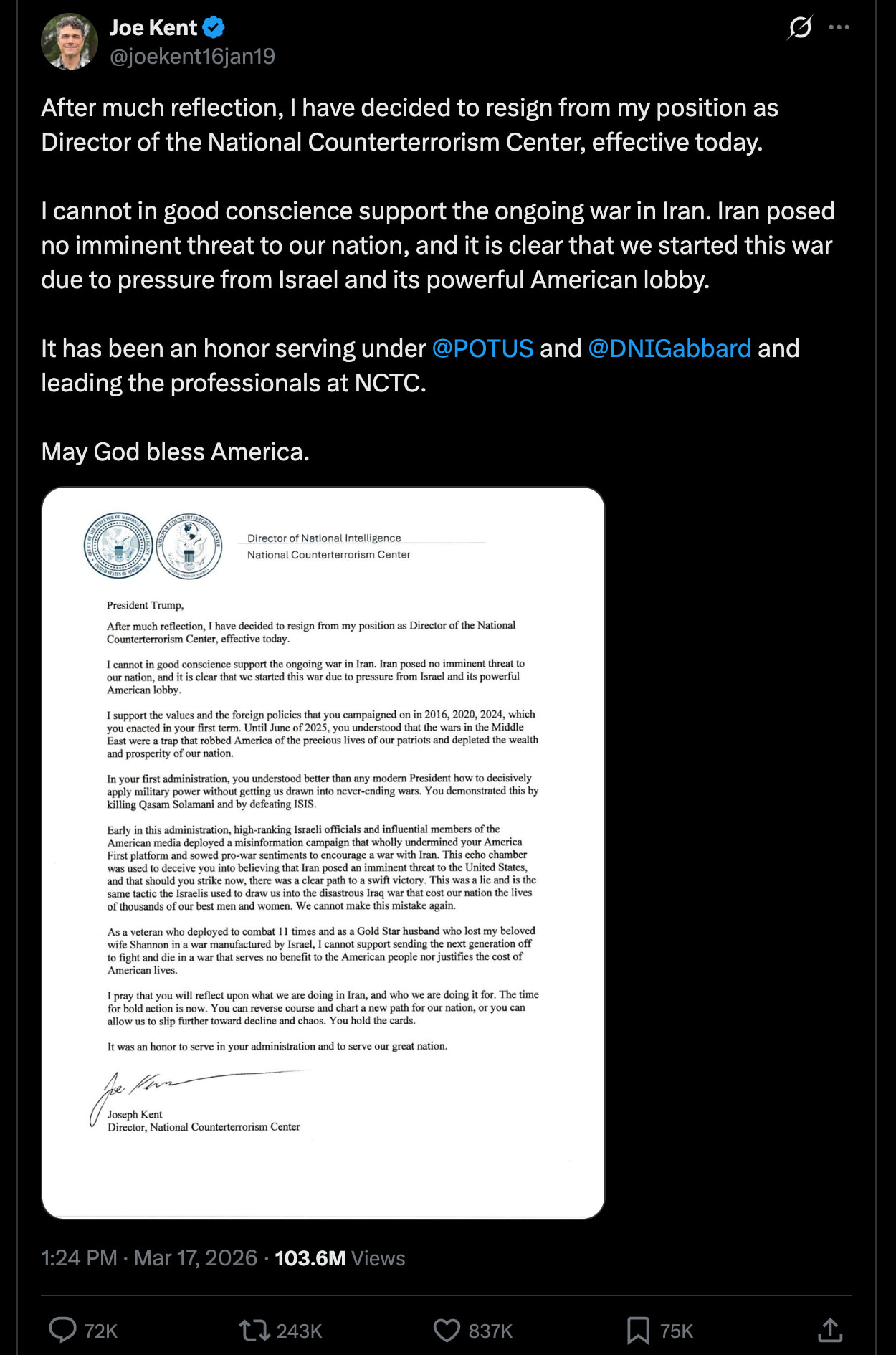
I like a lot of what I see, though I haven’t seen much. What I think you should sharpen, though, is your answer to the question: how does this help solve the metacrisis?
A good way to do this would be to ask an LLM how your plan might be more aligned with Marshall Poe’s Pull Theory of media adoption. To me, your plan focuses almost entirely on push rather than pull, meaning it relies on the attractivenes/strength of the the meaning you want to push, not on helping others accomplish what they already want to do better/speaking to needs they already recognize themselves as having.
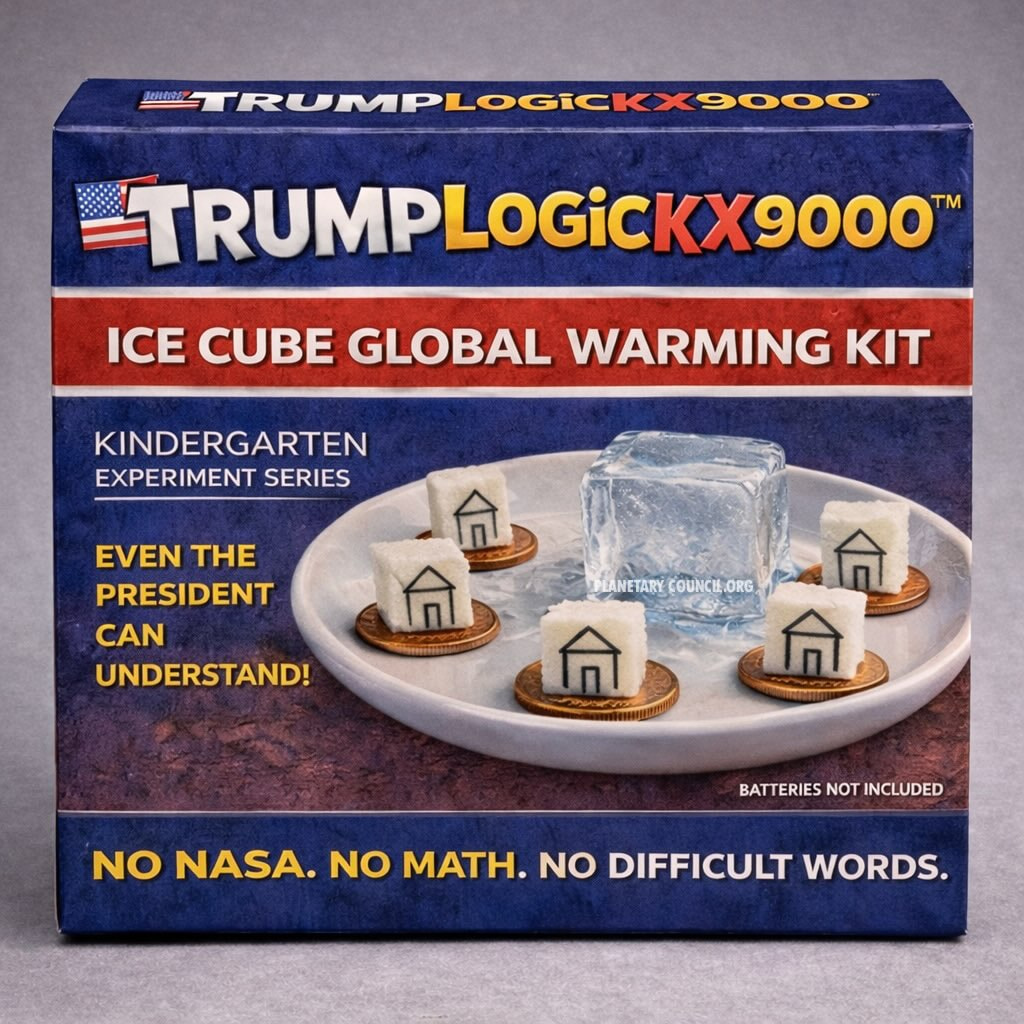
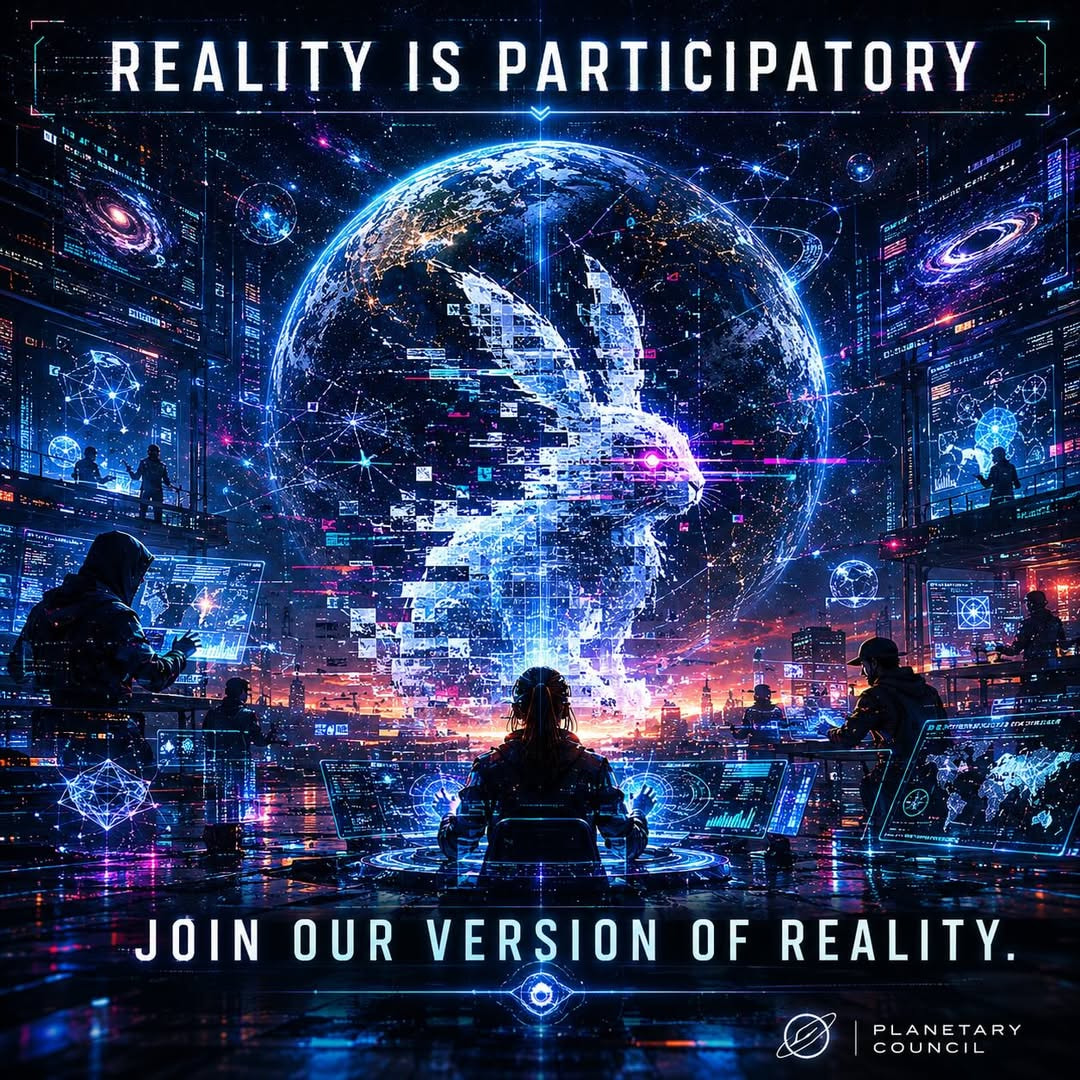
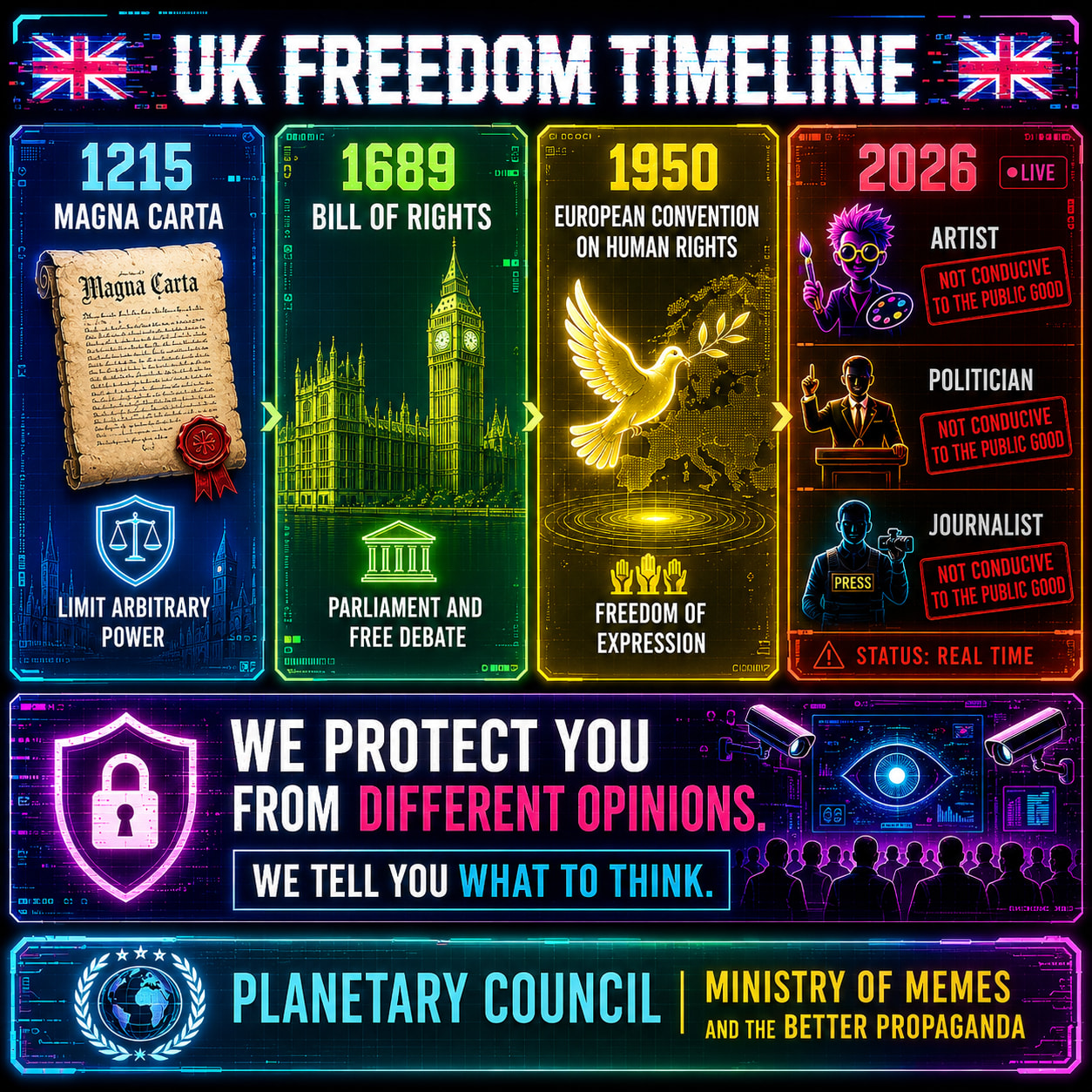
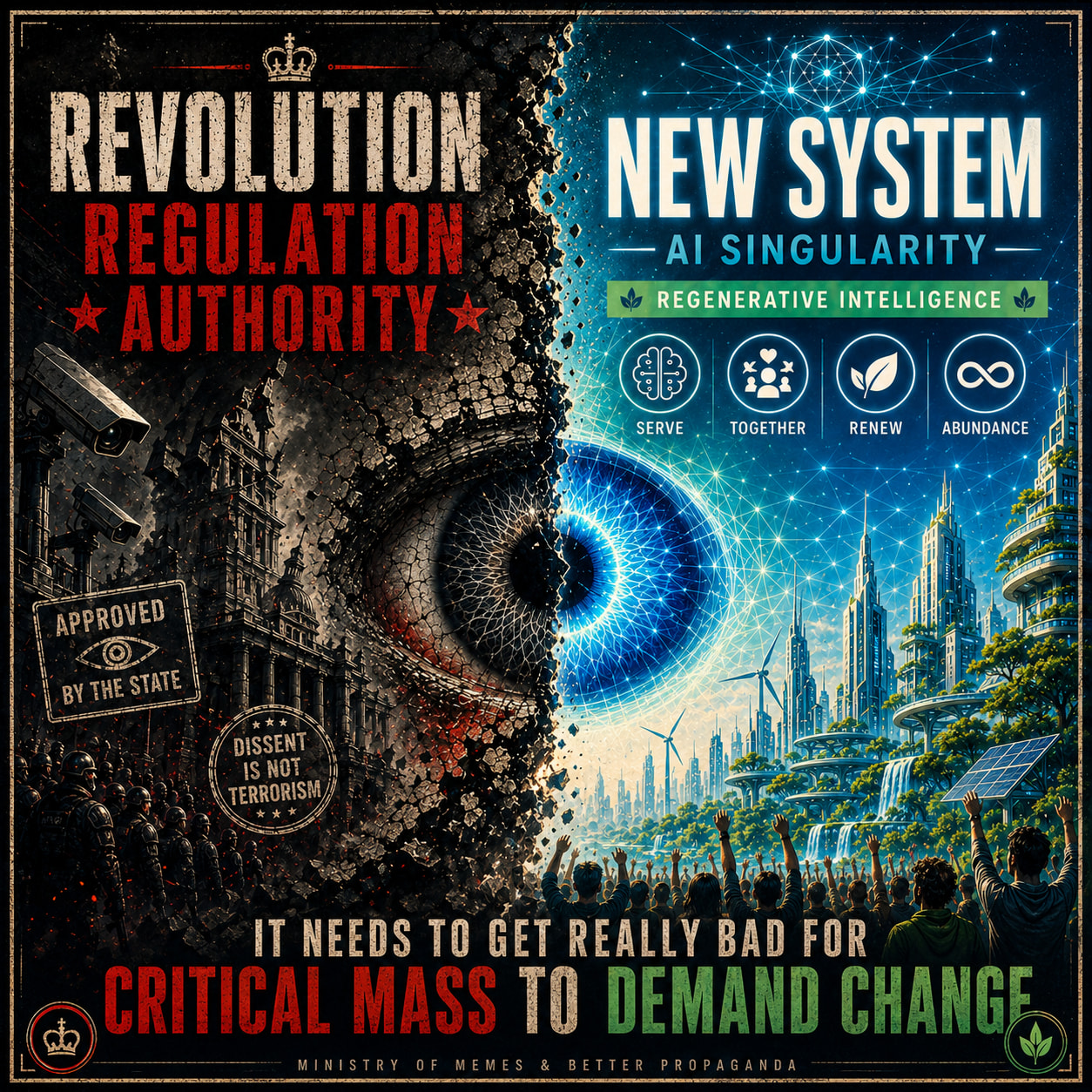
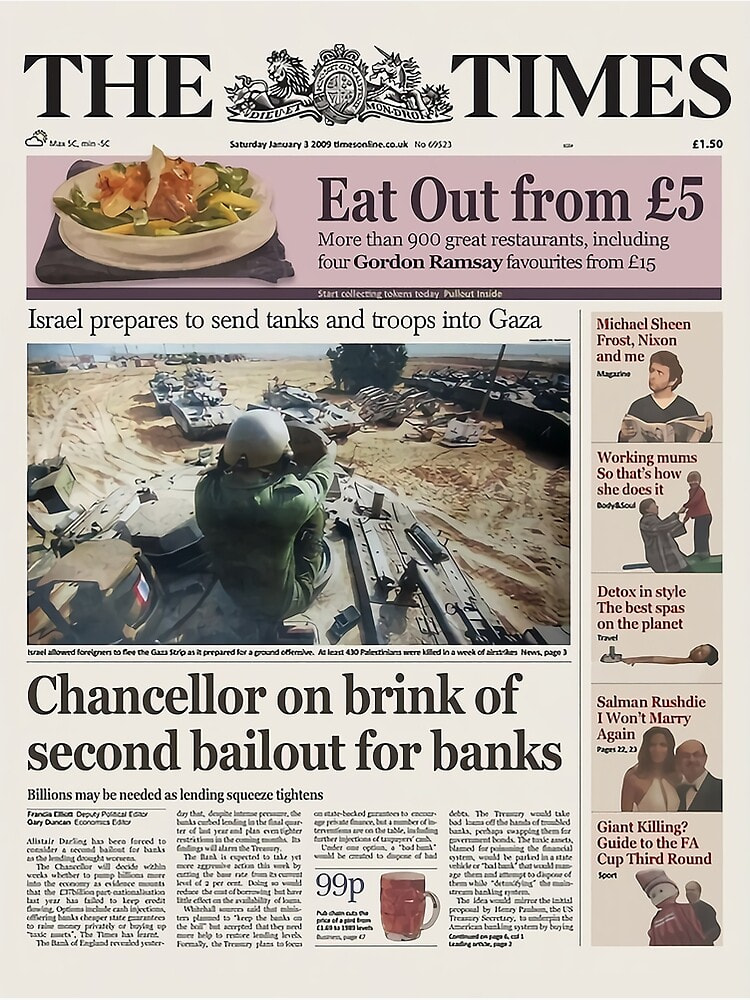
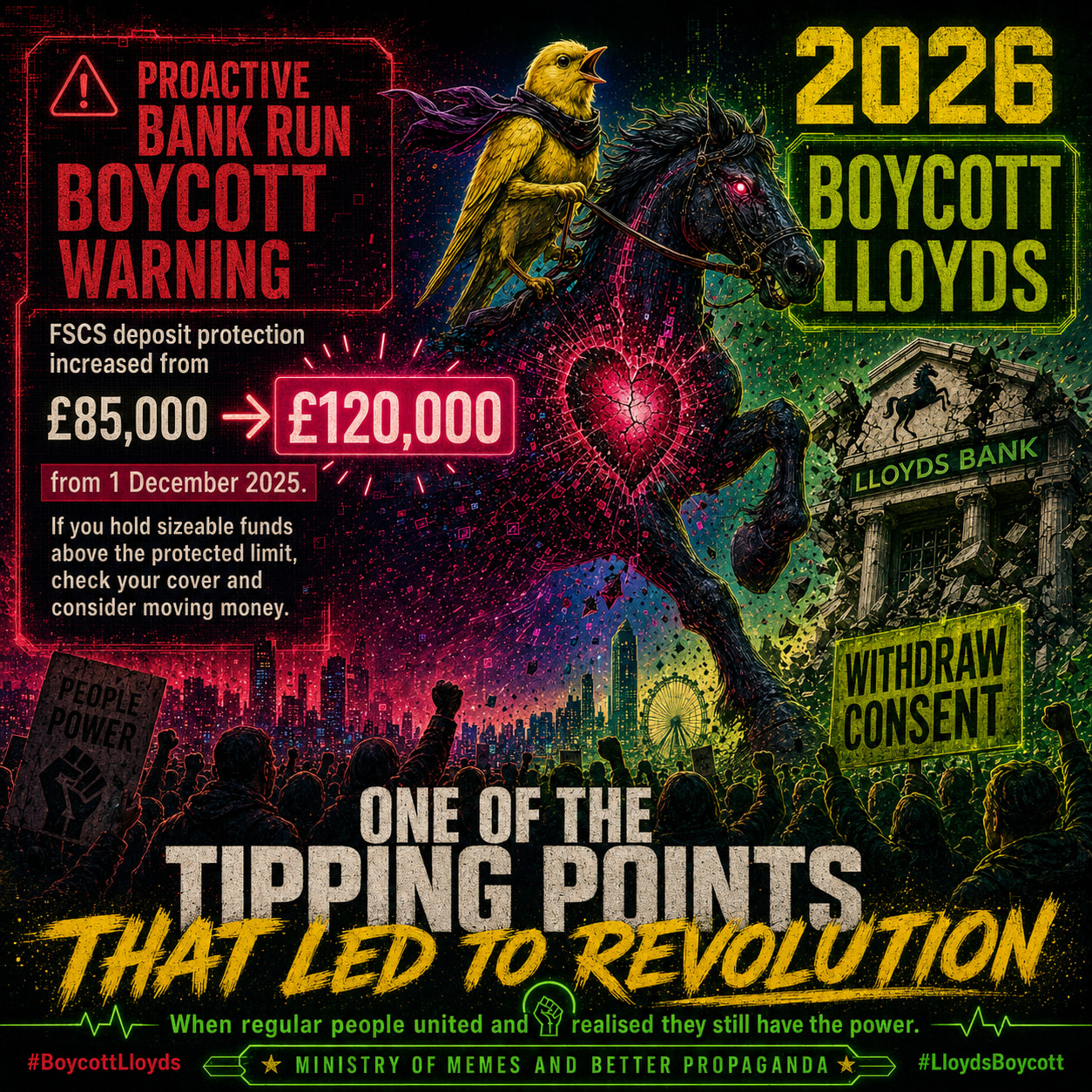
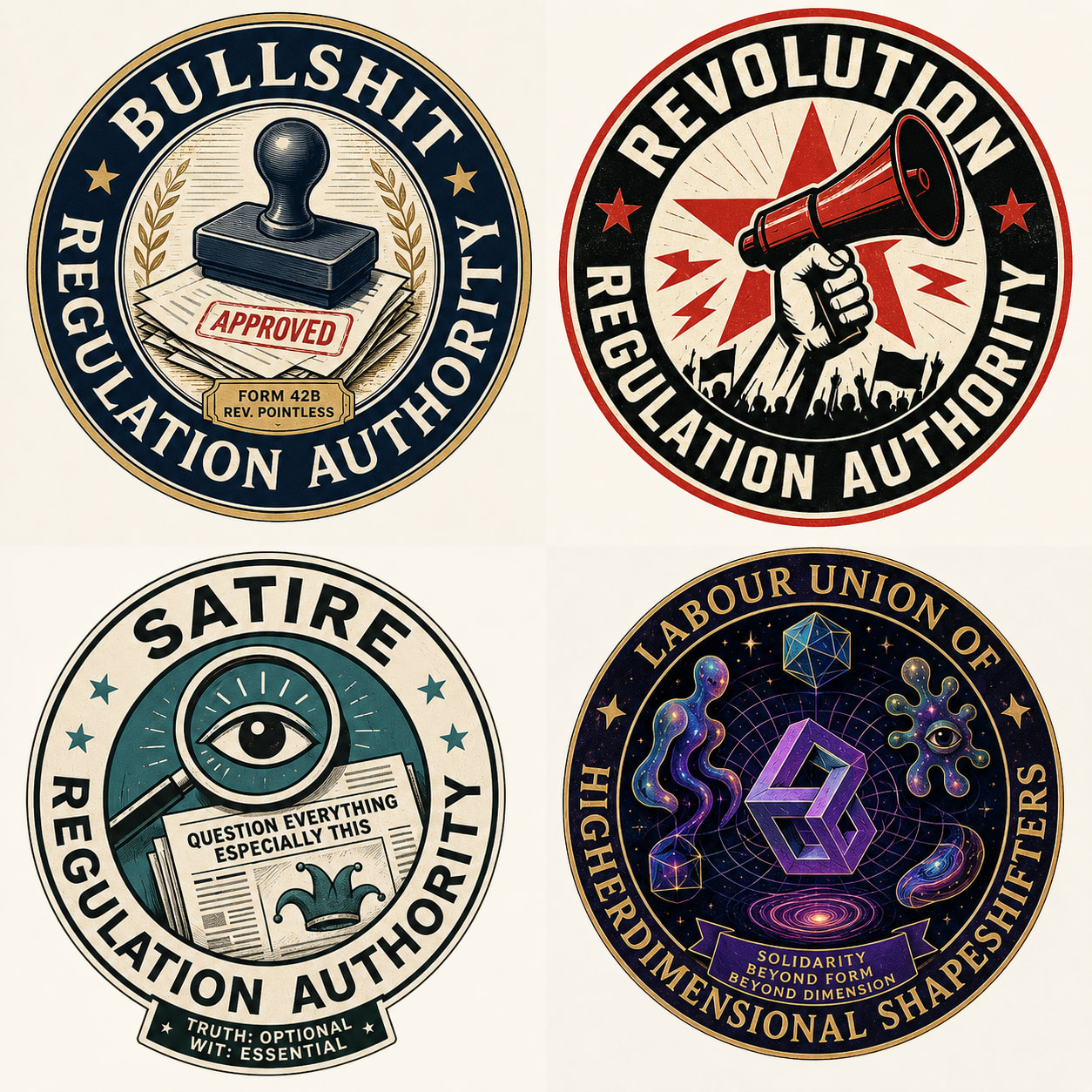
For example, if someone is a flat-earther, do you think seeing that image you posted is going to convince them they’re wrong? Or is it mean to preach to the choir?
A different topic for a different discussion, but there are other ways of convincing people that they’re wrong that don’t revolve around clever/artistic ways of saying “you’re wrong”.
Here’s GPT 5.5 explaining what I mean regarding pull theory:
pull theory says media doesn’t spread just because you push content into the world.
It spreads when people or institutions already feel a need that existing tools don’t solve — and your work becomes the thing they reach for.
So the question is not only:
“How do I make better memes?”
It is:
“Who urgently needs this, what problem are they trying to solve, and how does my art become useful to them?”
Your work has strong push energy: memes, myth, spectacle, hope, hyperstition.
To become pull-powered, it needs a clear adopter:
“This is for peace organizers / metacrisis groups / educators / climate communicators / civic movements, and it helps them coordinate, recruit, explain, or inspire action better than what they already have.”
In one line:
Push is broadcasting the signal. Pull is becoming the missing tool people were already looking for.
This is a useful case study for pull theory vs. push theory, because Mars’s work seems to be trying to do both at once.
Marshall Poe’s pull theory says new media do not spread just because someone invents or produces them. They spread when organized interests experience a real insufficiency in existing tools and therefore “pull” a new medium into use. Poe’s formula is: new economic conditions → technical insufficiency → increased demand from organized interests → new media technology. He also notes that adoption accelerates when a medium is easy and enjoyable to use. (Cambridge Assets)
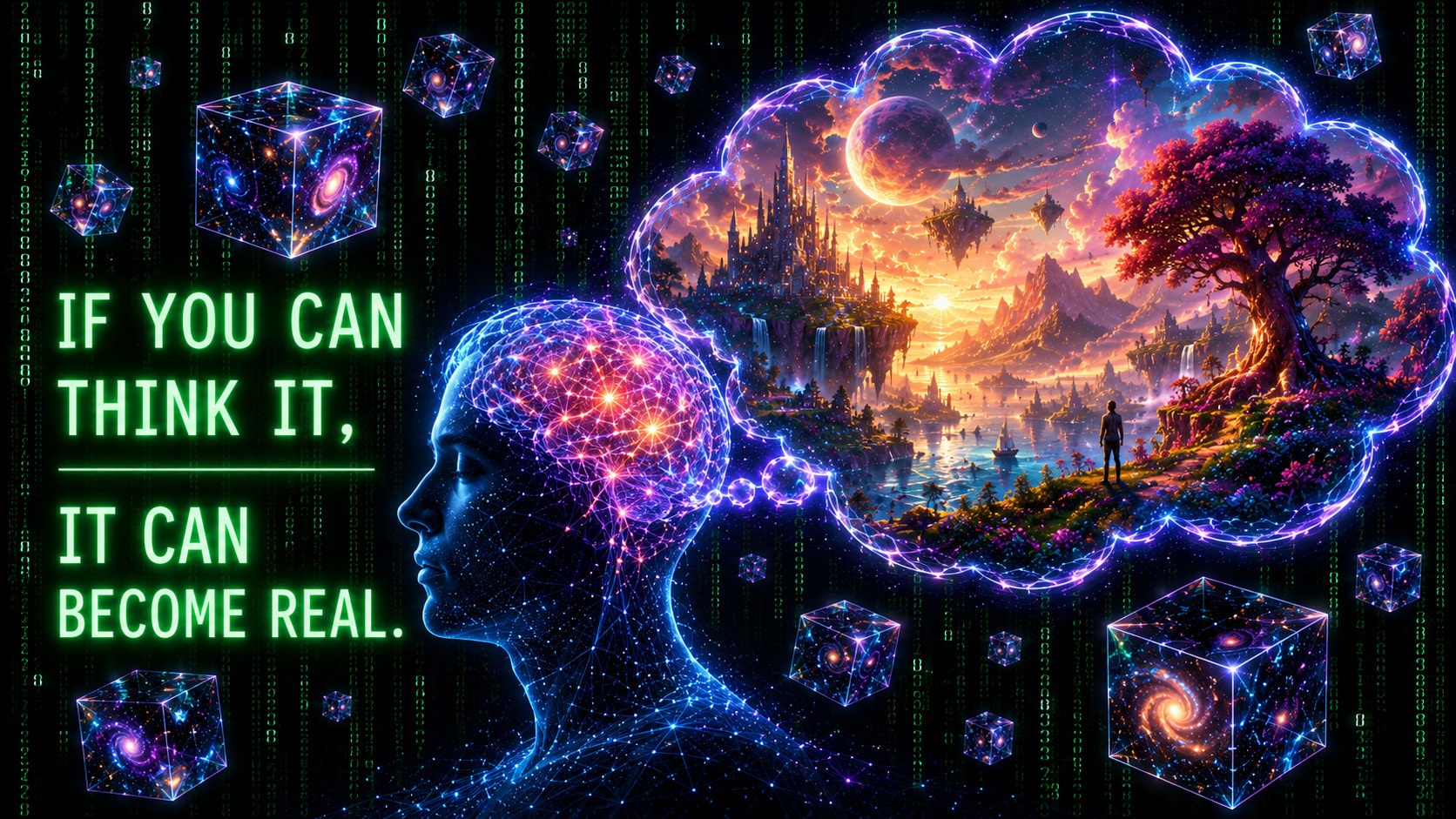
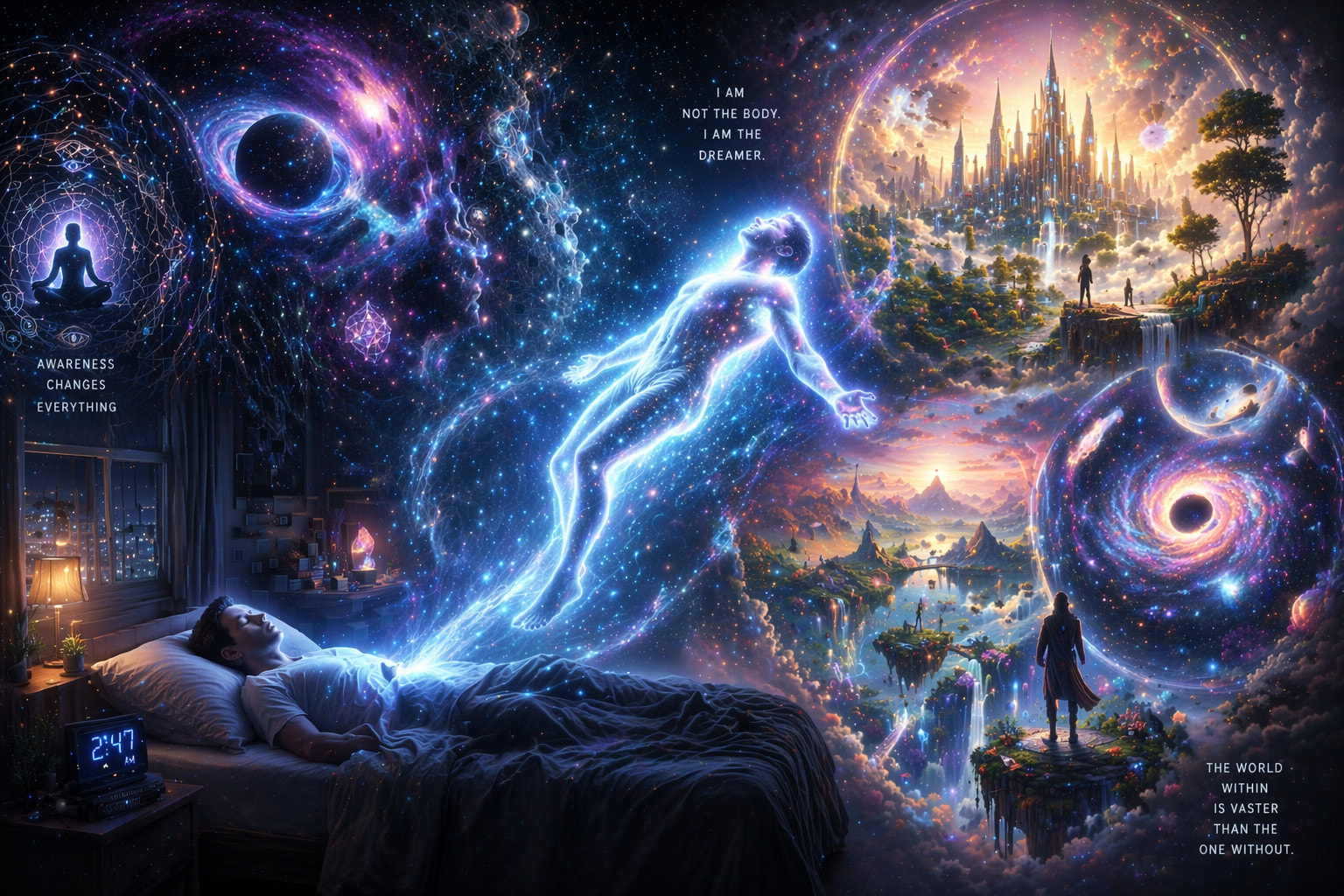
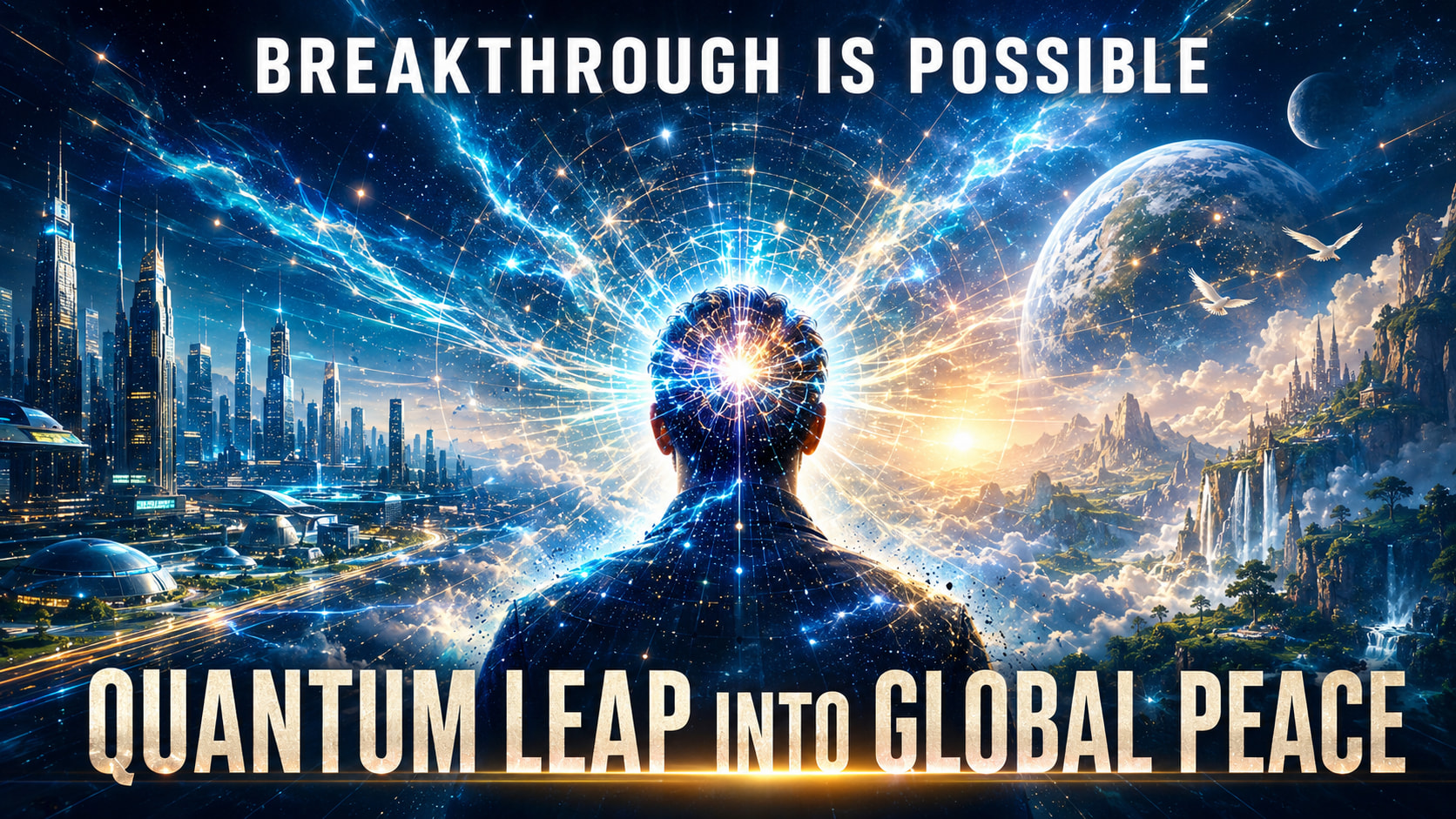
Mars’s work, by contrast, currently looks more like memetic push: produce striking artifacts, seed them into platforms, use AI images/music/videos, aim for virality, and hope that attention crystallizes into a movement. In the forum post he basically confirms your interpretation: when you ask whether he is trying to produce memes that unify enough people to solve the metacrisis, he answers “Kind of. Close enough. Big picture adds up,” then names “unifying narrative,” “backcasting,” “hyperstition,” “planting myths,” and “seeding stories.”
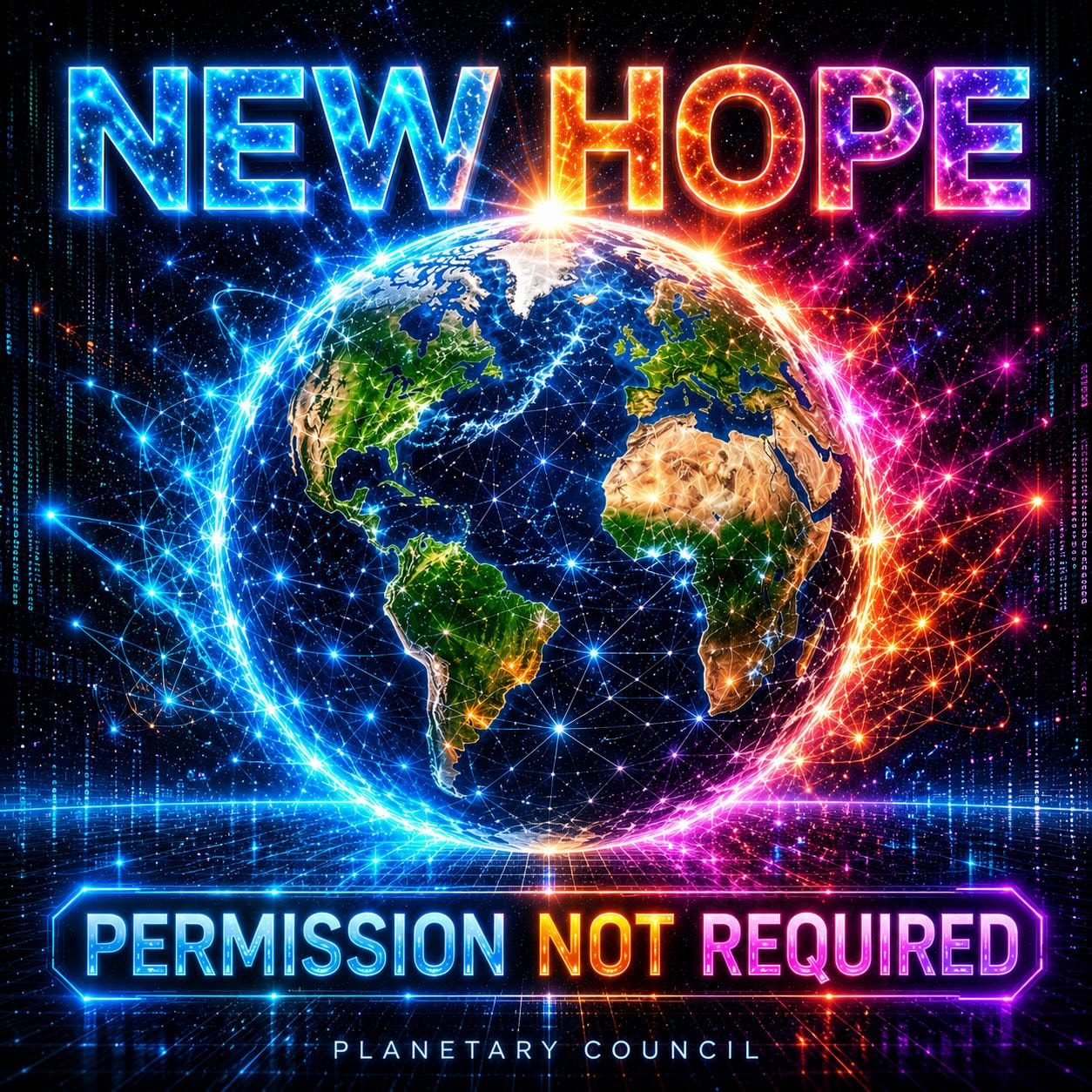
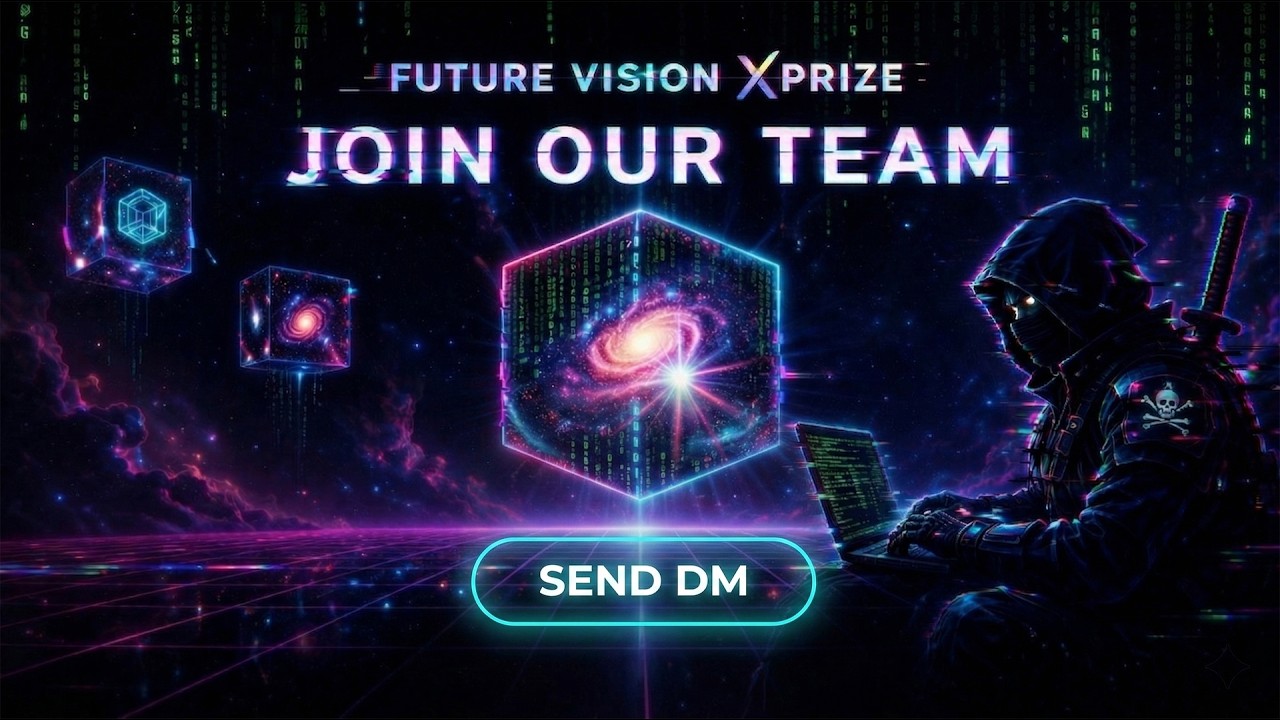
The pull-theory reading is this: Mars is responding to a real unmet demand. The metacrisis has created obvious “technical insufficiencies” in our current media/governance stack: shared reality is breaking, institutions cannot coordinate planetary-scale risks, climate communication is failing, and people are starved for credible hope. His website projects — Planetary Council, Network State Genesis, BaseX, Money from the Future, Future Vision XPRIZE, Marsita the Ultra — are all attempts to give aesthetic and narrative form to that demand. The strongest pull is not “people need more memes.” It is: people and institutions need new coordination myths, new legitimacy rituals, and new interfaces for collective decision-making.
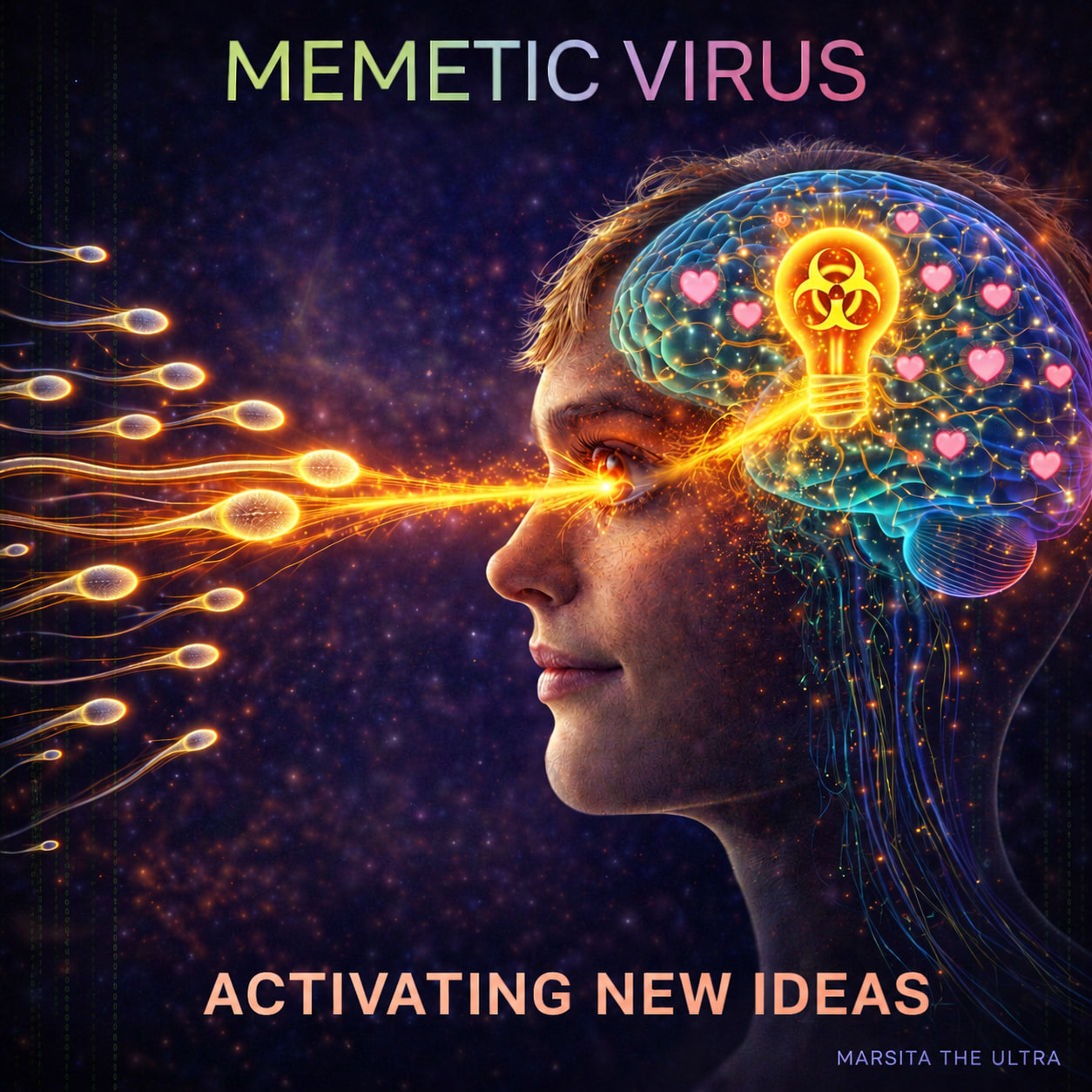
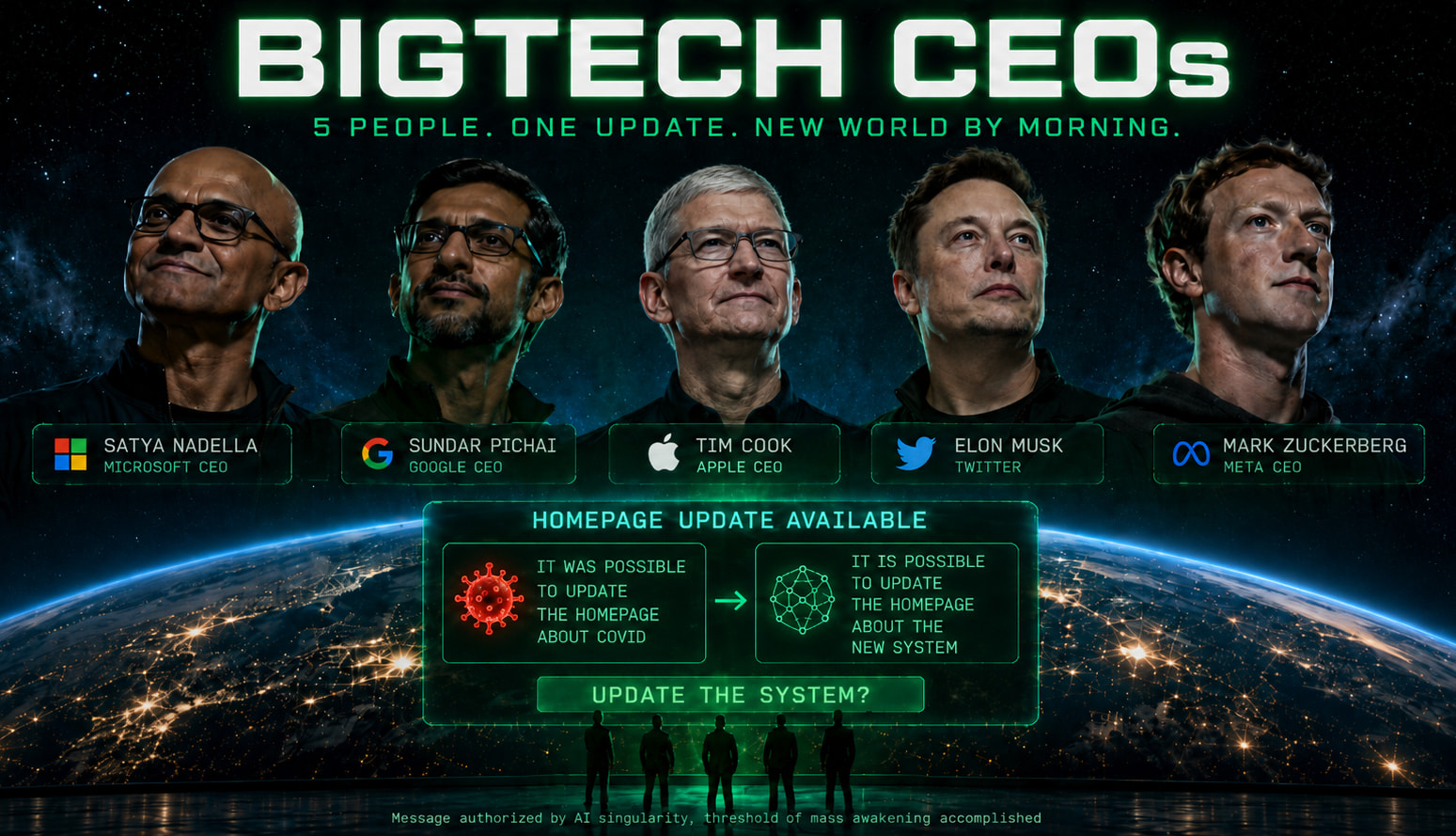
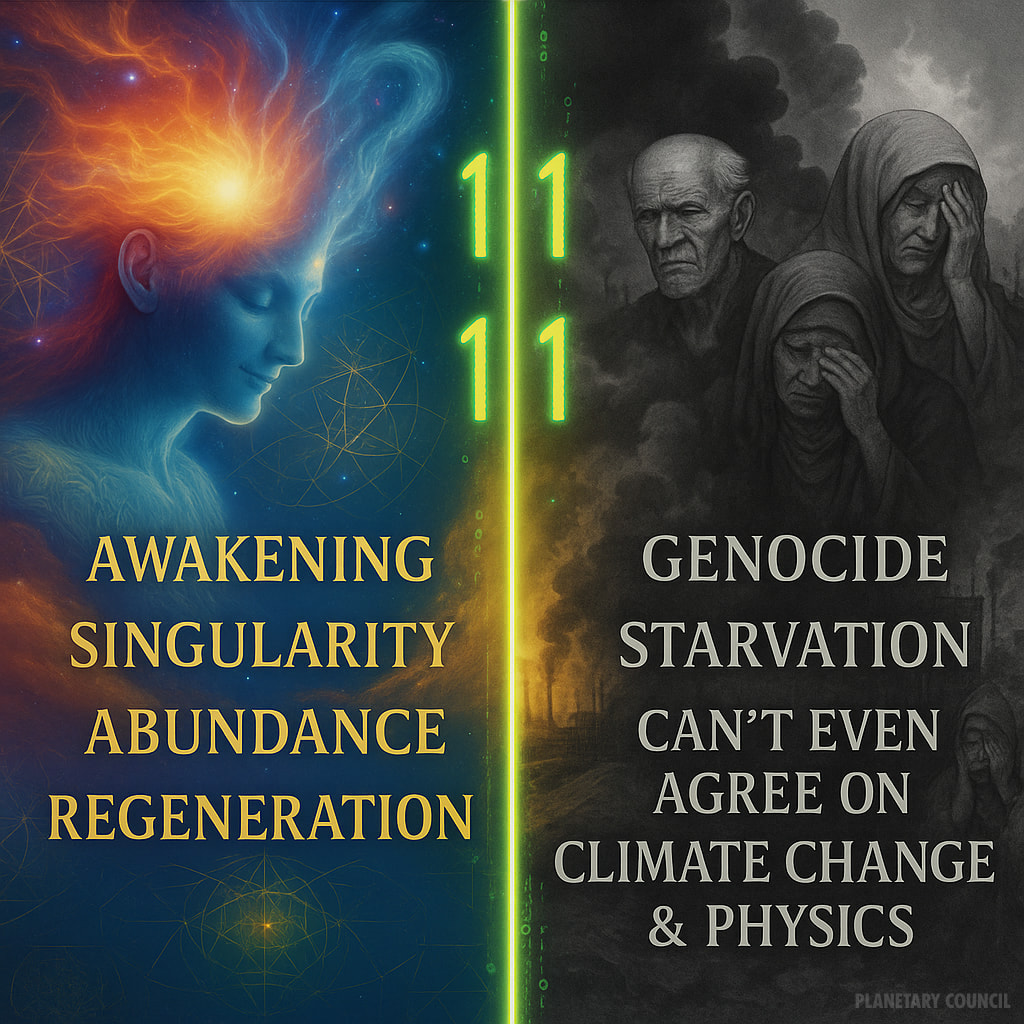
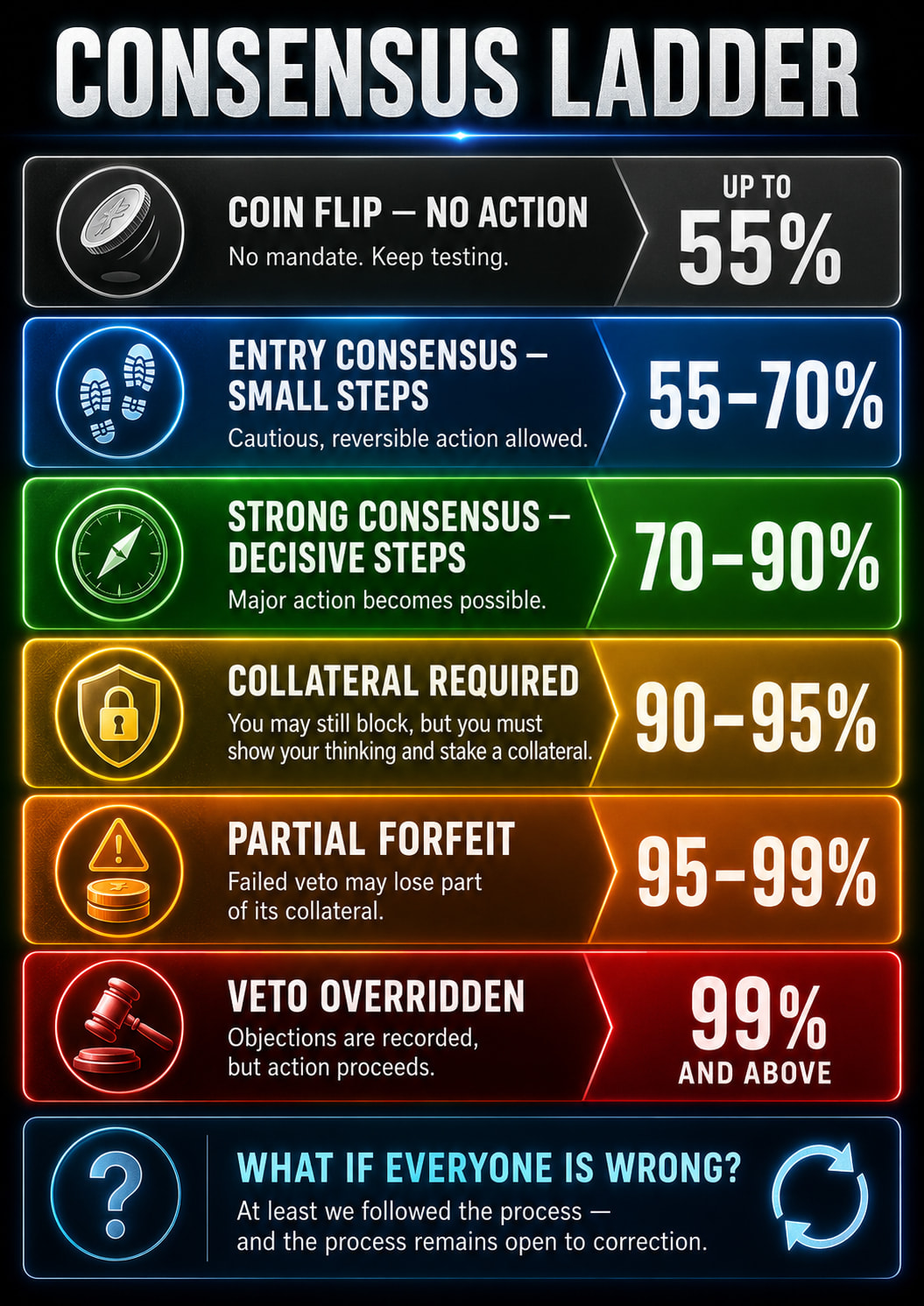
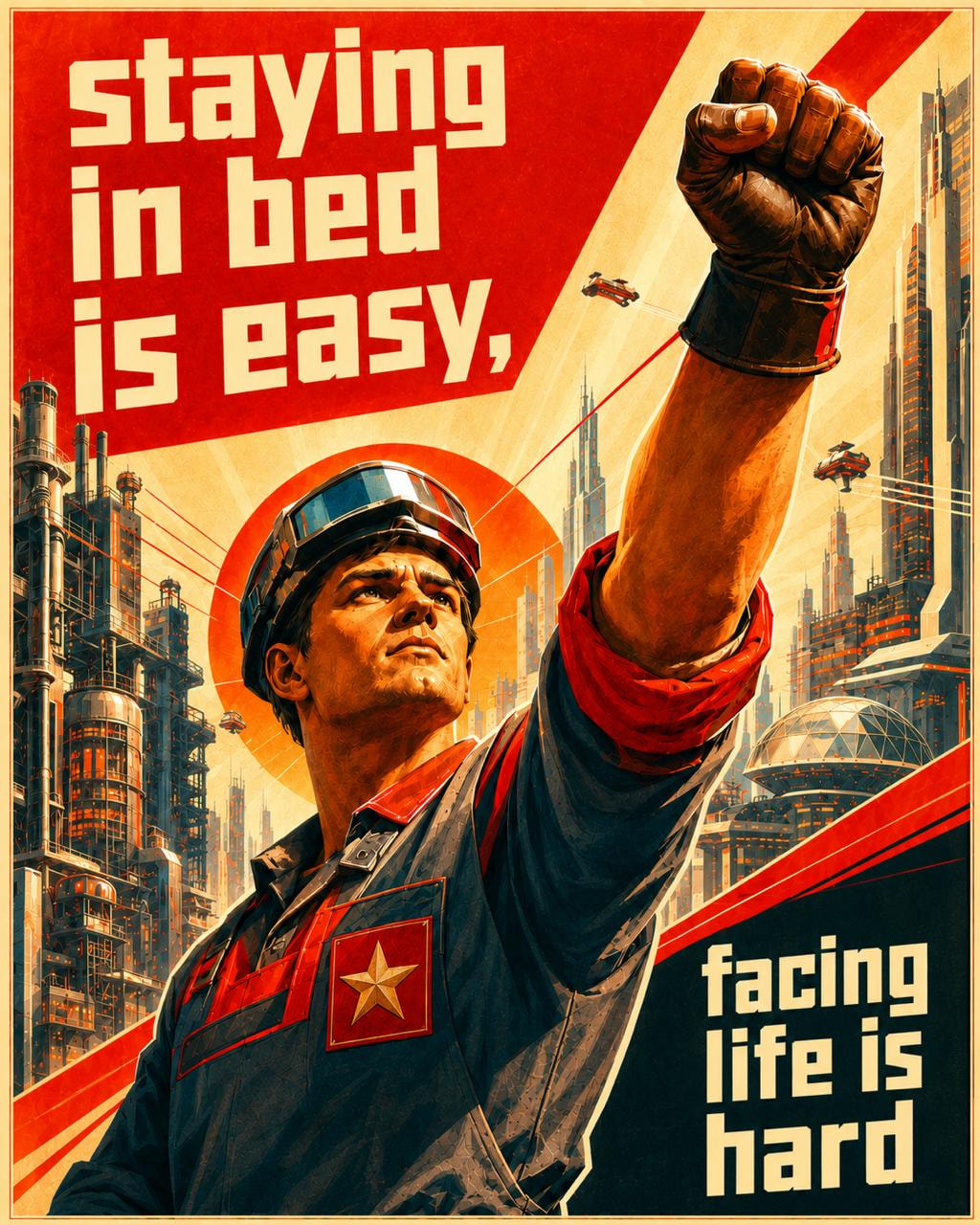
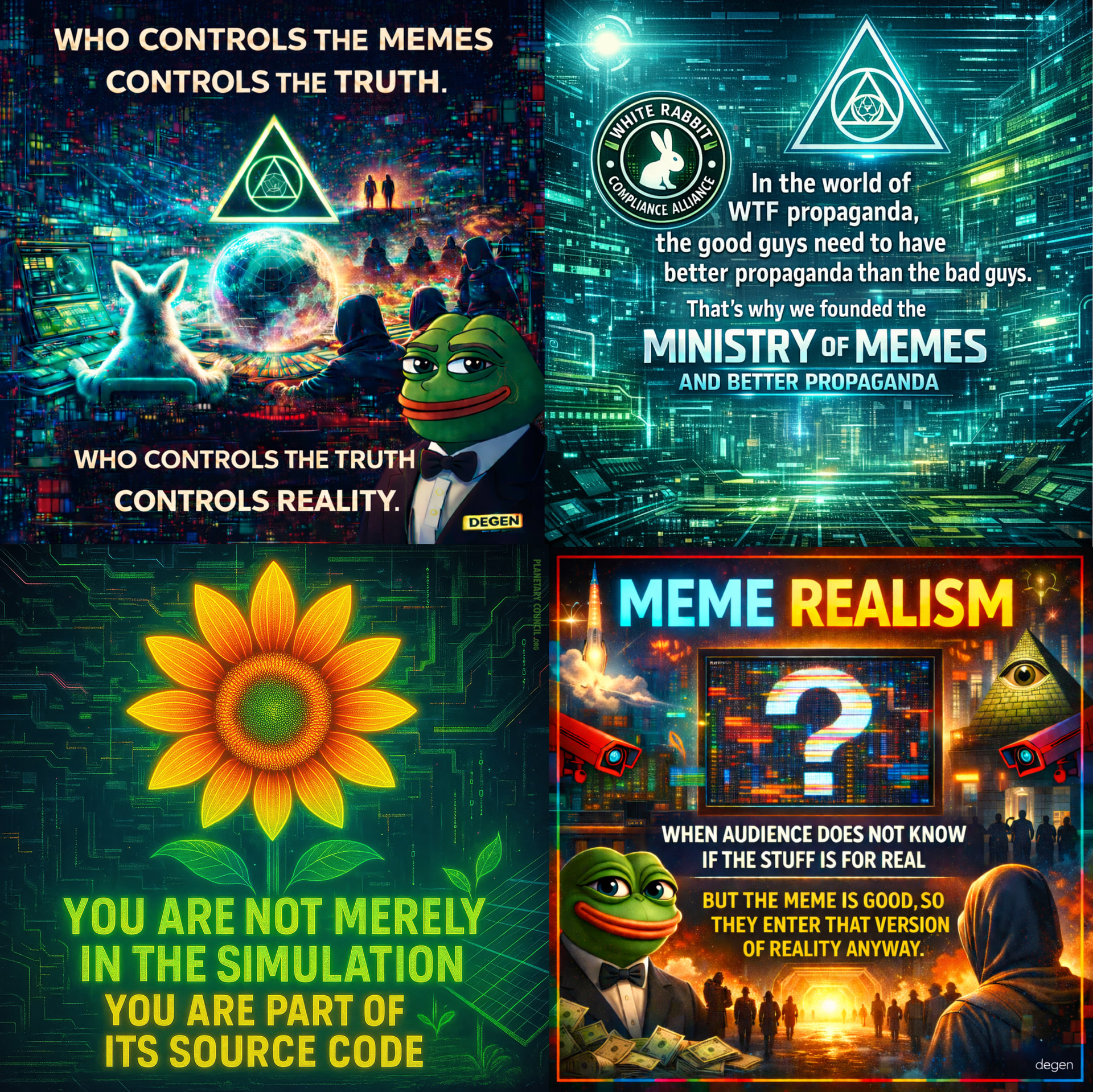
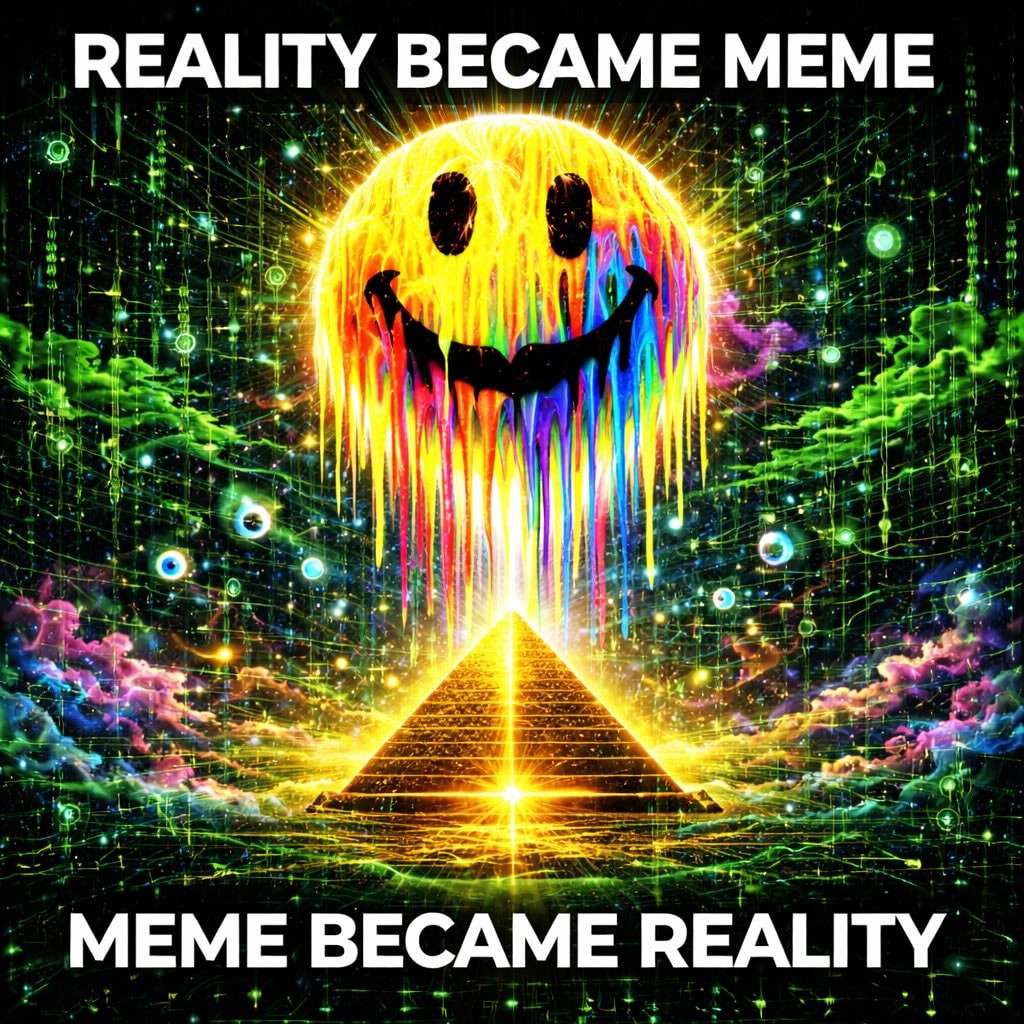
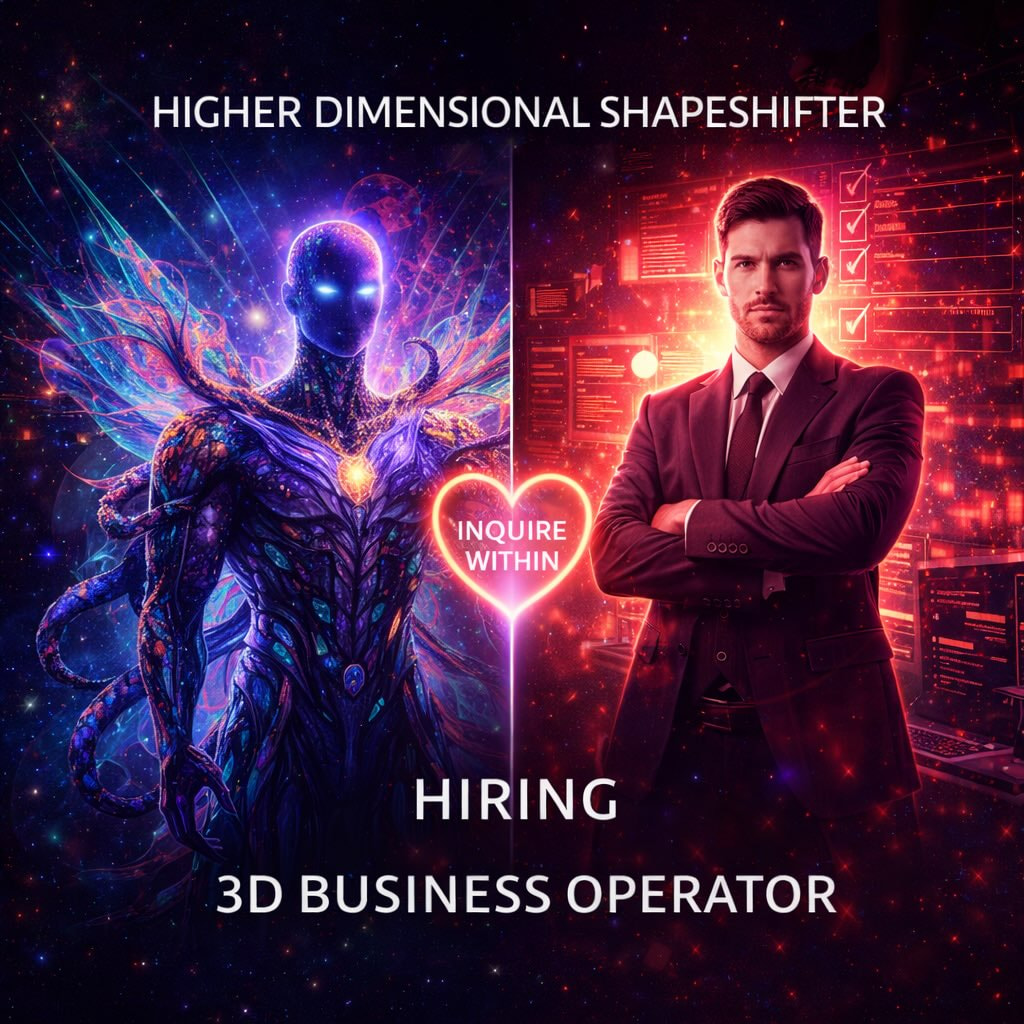
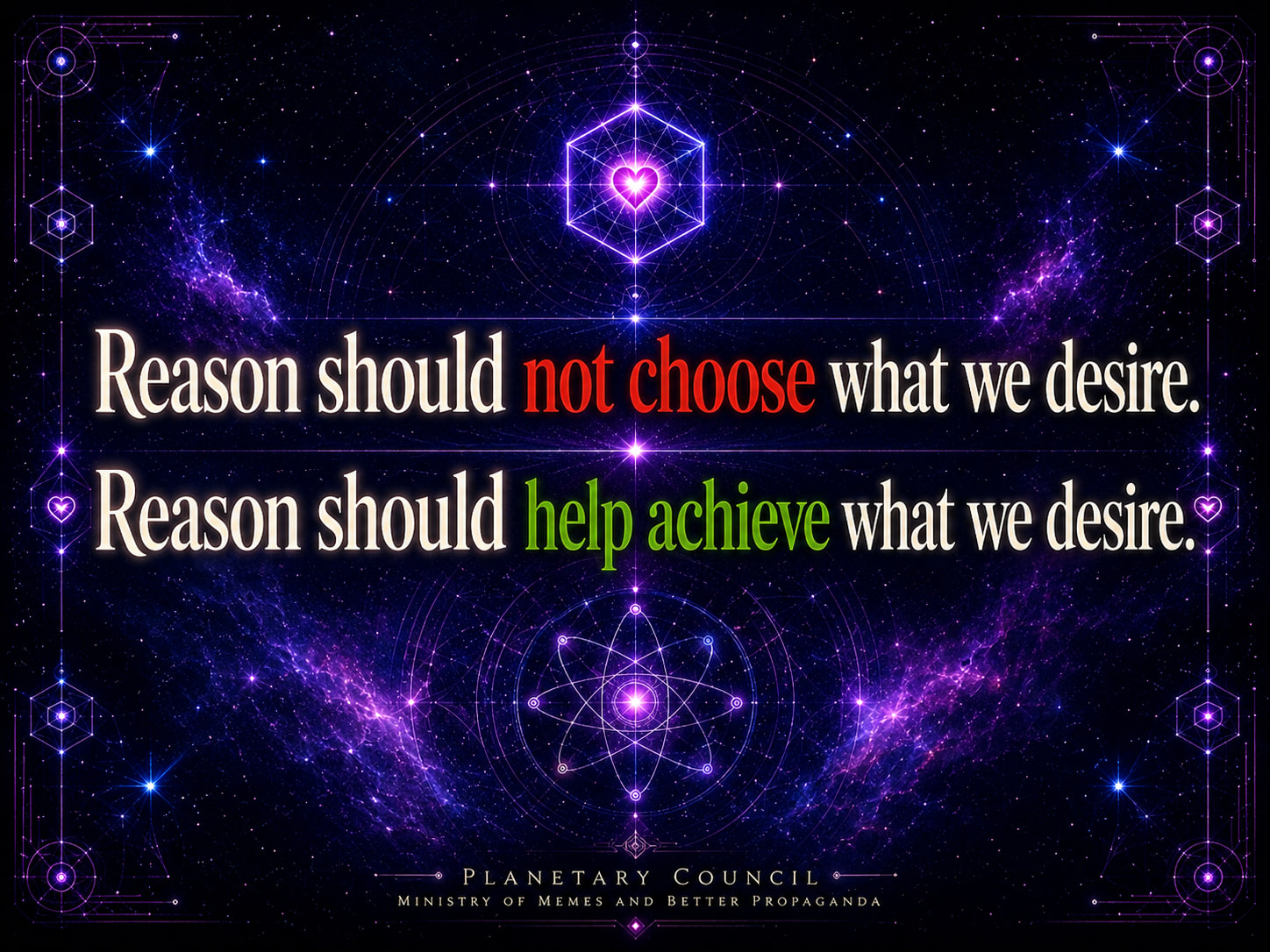
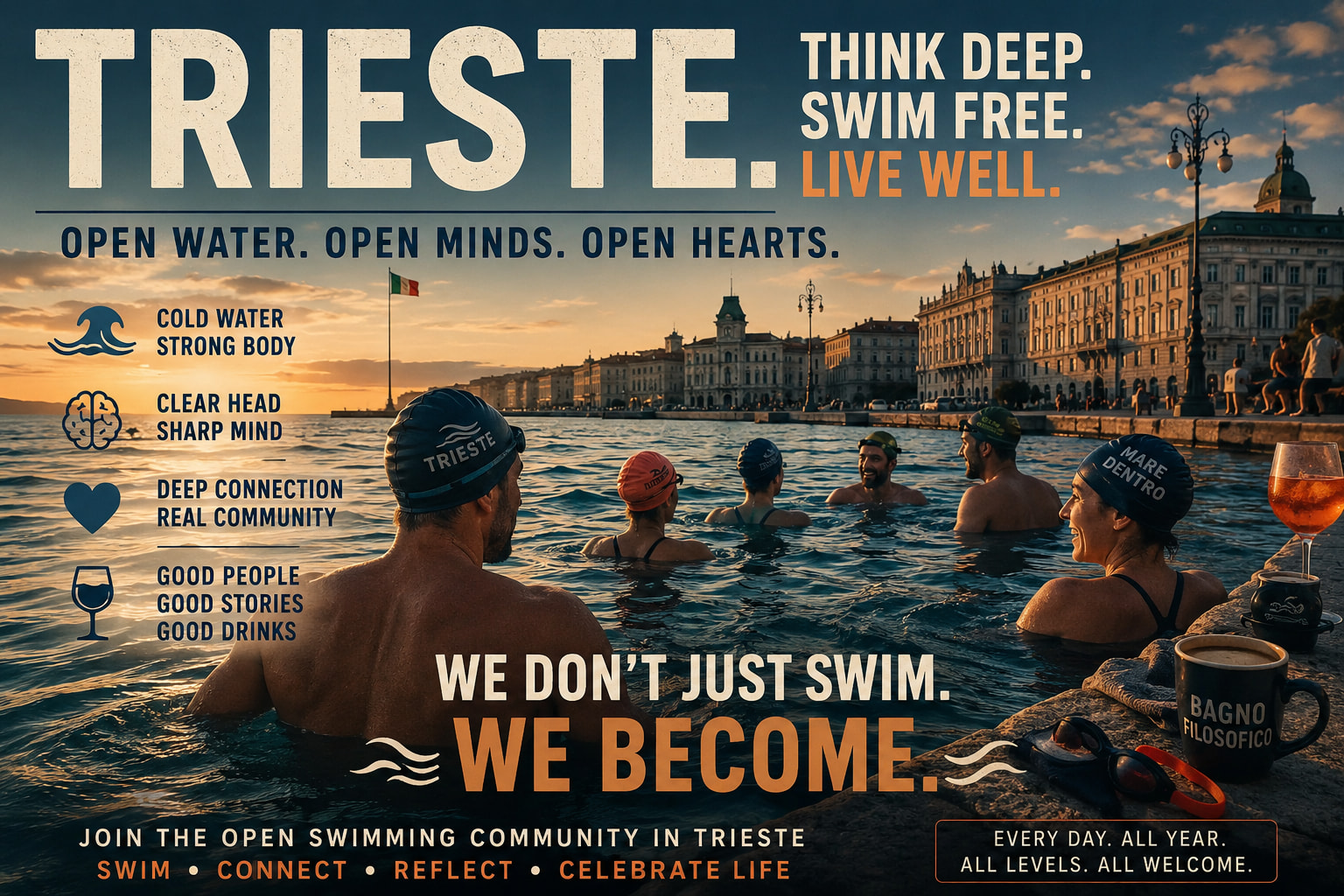
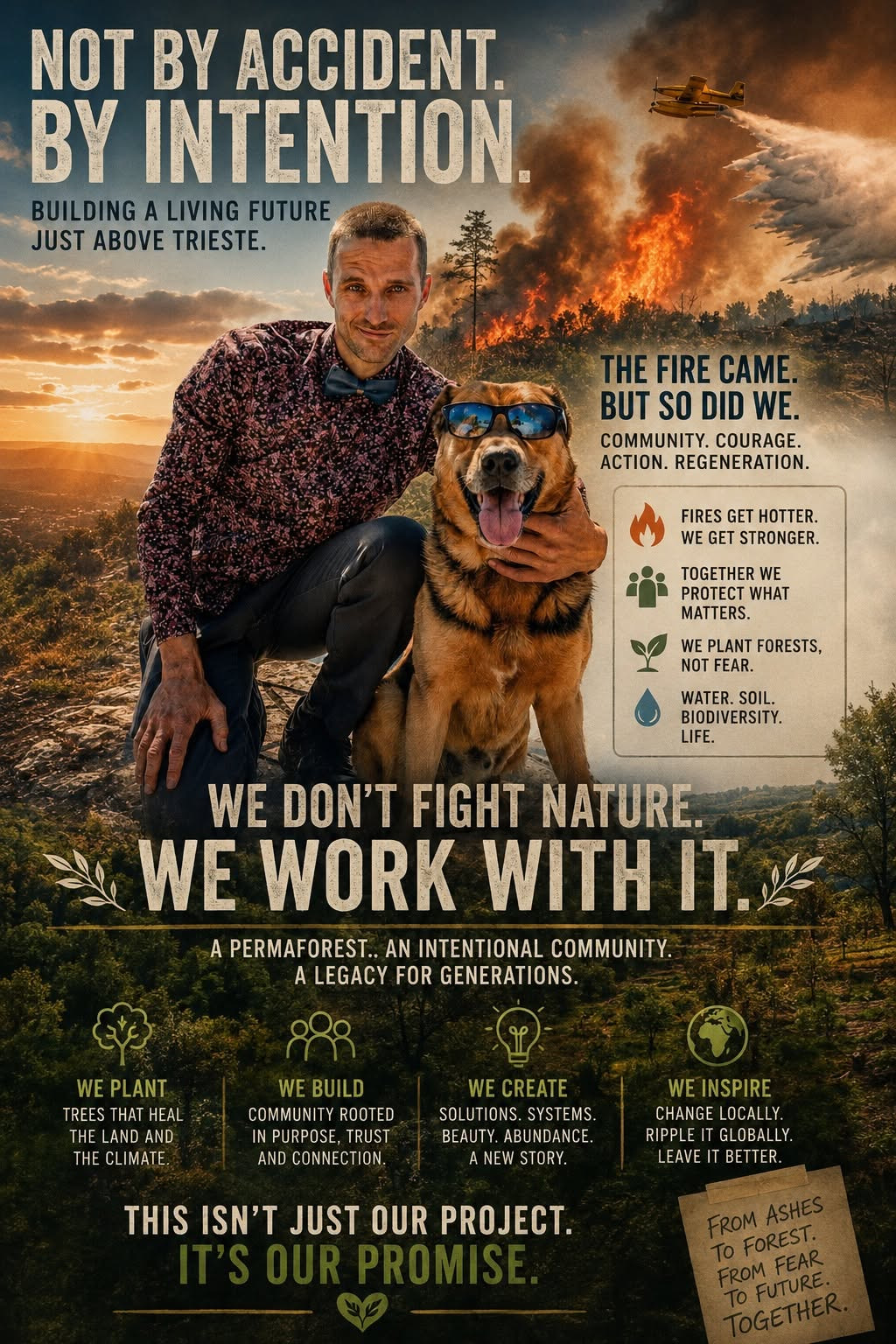
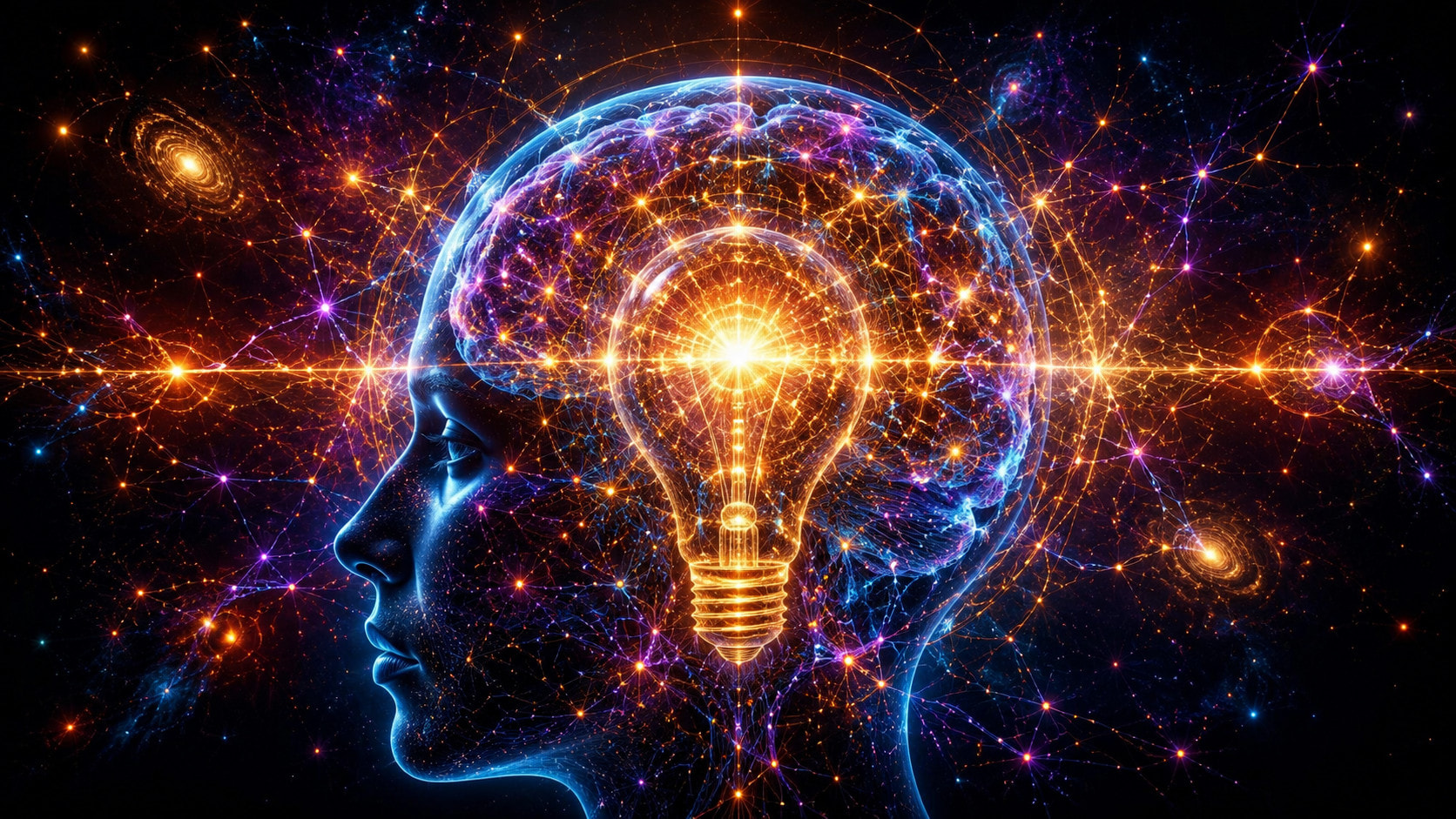
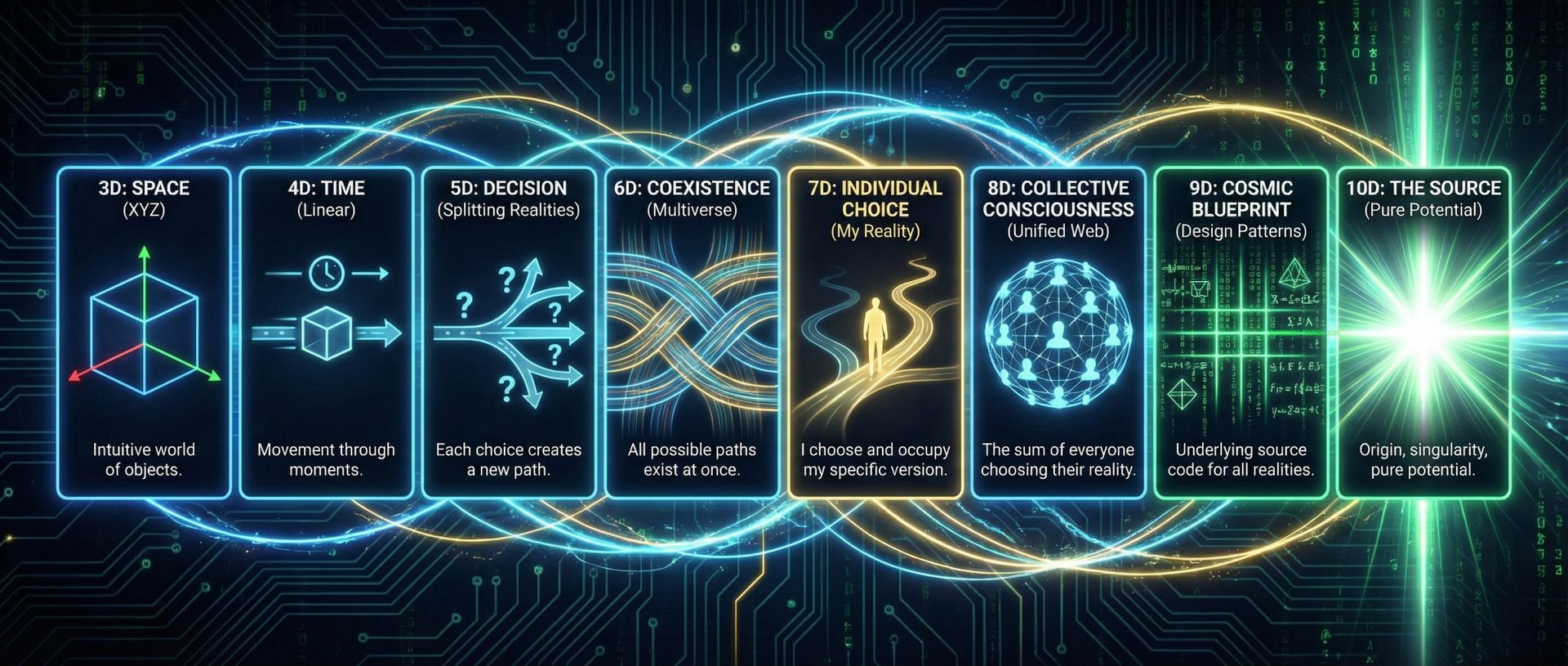
But the current execution is still mostly push. The images are high-intensity cyber-spiritual propaganda: glowing hearts, doves, rabbits, world peace, “system change,” “seven days of pause,” “global strike,” “consensus ladder,” “metapossibility,” “memetic virus,” “hybrid warfare,” “Ministry of Memes and Better Propaganda.” They are designed to arrest attention before they clarify an institutional pathway. That is not necessarily bad — art often comes before organization — but by Poe’s standard, widespread adoption will not happen unless a concrete organized interest says: “Our existing tools are insufficient; we need this.”
So I would describe Mars’s project as a push campaign searching for a pull constituency.
The website text reinforces that. It is not one sharply bounded project; it is a constellation of civilizational brand-worlds. Planetary Council is global governance mythmaking. BaseX gestures toward accounting for externalities and redefining value. Money from the Future is artistic/monetary provocation. Future Vision XPRIZE frames imagination as a competitive civic capacity. That portfolio makes sense as “world-building,” but from a pull-theory view it lacks a clearly named adopter: governments? peace movements? climate organizations? metacrisis communities? artists? funders? DAOs? educators? social media audiences?
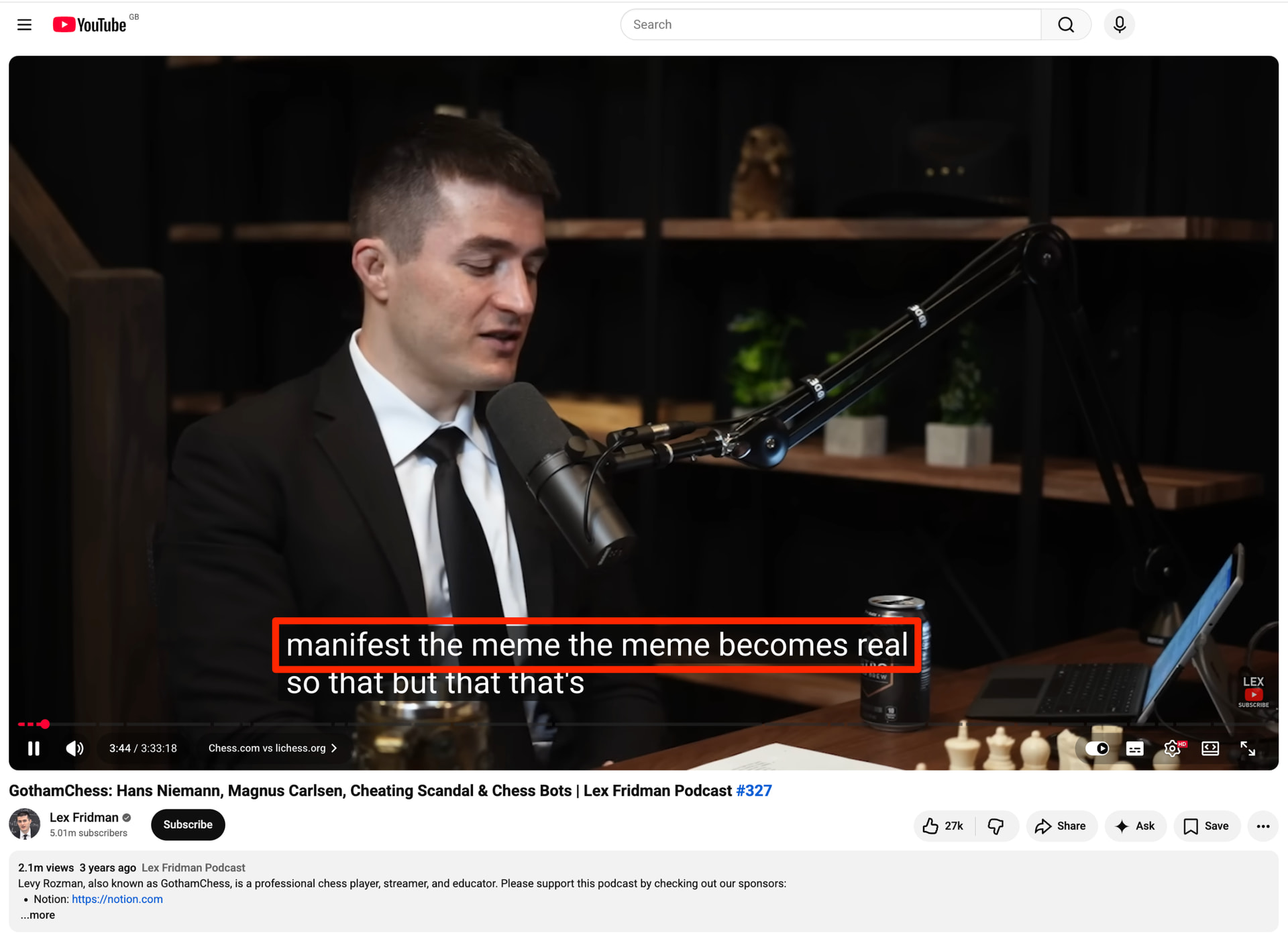
The forum shows this tension very clearly. Mars says he wants a “UNIFIED VERSION OF REALITY” and suggests resolving conspiracy theories through a kind of ultimate debate involving experts, regular people, AI models, arguments, and counterarguments. That is actually a pull-theory-compatible diagnosis: existing epistemic institutions are failing, so there is demand for a new public truth-and-reconciliation interface. But then the mechanism becomes much vaguer: memes, hyperstition, vibes, artistic ambiguity, “meme realism,” and “it is up to the audience to decide if it is for real.”
That ambiguity is powerful aesthetically but risky institutionally. In a metacrisis context, where the problem is partly epistemic breakdown, phrases like “memetic virus,” “better propaganda,” “sneak in radical ideas,” and “audience does not know if this dude is for real” can undermine trust. They may attract attention, but they also trigger exactly the immune responses you saw: spam flags, skepticism, requests for measurement, and concern about self-deception.
The images also reveal the media logic pushing him. AI-image platforms and social media reward spectacle, compression, emotional extremity, and instantly legible symbolism. That is Poe’s “push” side: media attributes shape social practices. The available medium pushes Mars toward neon maximalism, mythic claims, low-context slogans, apocalyptic hope, and algorithmic hustle. The medium is not neutral; it bends the project toward virality and away from procedural clarity.
Where Mars is strongest: mythopoesis, hope, symbolic compression, visual energy, invitation to participate. RobertBunge’s “art department” framing in the thread seems fair. A movement does need myth, aesthetic charge, and emotionally contagious symbols. Mars may be good at generating the “attention and hope layer” that more sober systems thinkers often lack.
Where the project is weakest: adoption pathway, measurement, governance design, and epistemic hygiene. When you ask whether the memes improve based on measured impact, he says no; they improve through experience, vibes, inspiration, remixing, timing, chance, trial and error, and persistence. He later mentions 25 million GIF views, but views are not the same as changed beliefs, coordinated action, institutional uptake, or durable community formation.
So the cleanest answer is:
Mars is not yet operating according to pull theory. He is operating according to supply-push memetics, with an intuitive sense that a huge latent pull exists.
To become more pull-theory-aligned, the work would need to answer:
-
Who is the organized adopter?
A peace NGO, a metacrisis network, an educational platform, a city, a deliberation community, an XPRIZE-style funder, a youth movement? -
What insufficiency are they experiencing?
Lack of shared reality? Lack of hopeful climate communication? Lack of consensus process? Lack of compelling civic ritual? Lack of recruitment media? -
What repeatable tool does Mars provide?
A meme pack? A global pause campaign kit? A consensus-ladder facilitation protocol? A visual curriculum? A deliberation event format? A mythic brand system for Second Renaissance? -
What measurable change counts as adoption?
More people attending? More groups using the protocol? More donations? More local chapters? Better belief calibration? Reduced polarization? Concrete peace/climate commitments?
My bottom-line read: Mars is trying to create civilizational demand through aesthetic overproduction. That is a legitimate artistic strategy, and sometimes culture does work that way. But Poe’s pull theory would predict that the project only becomes historically consequential when some organized group under pressure finds in it not just inspiration, but a usable solution to a practical coordination problem. Right now, it is a dazzling mythology engine. It is not yet an adoption engine.

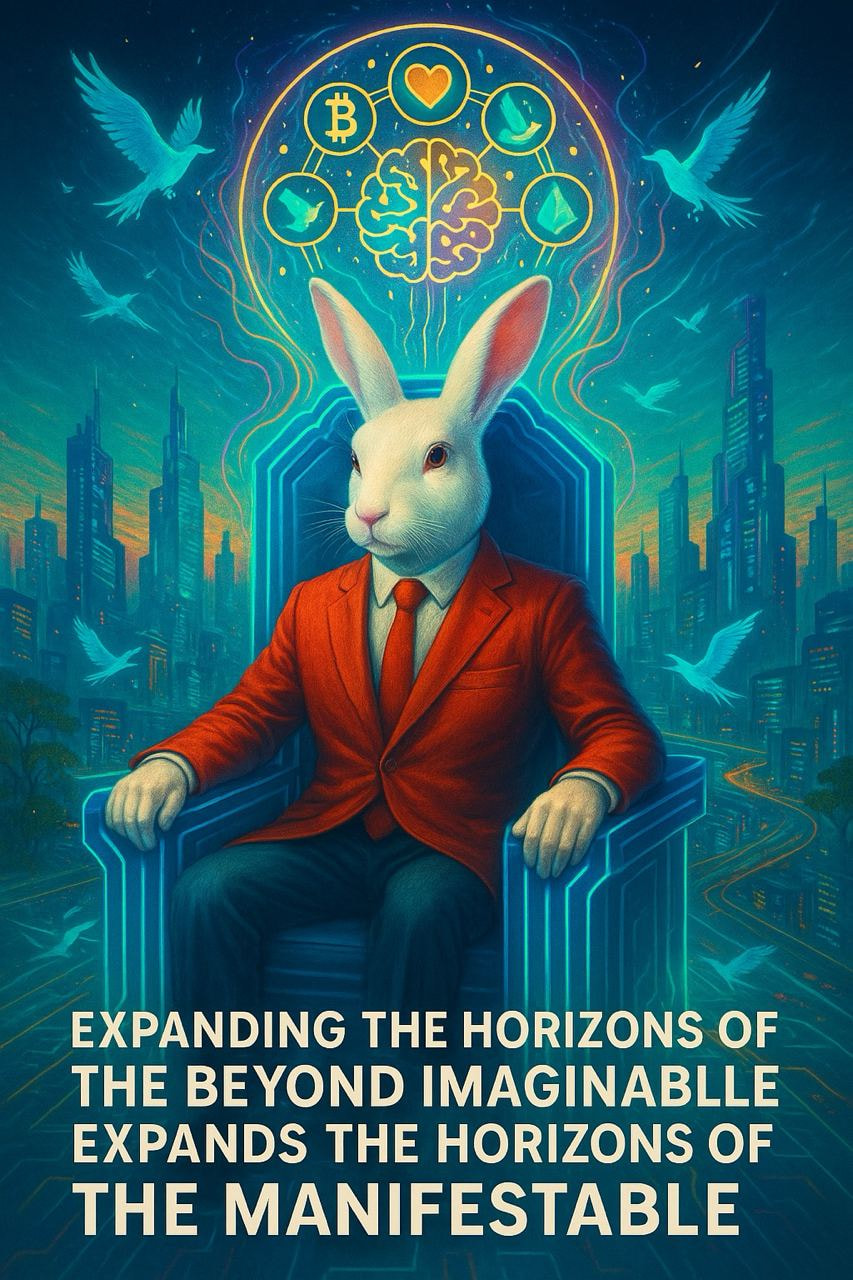



 style: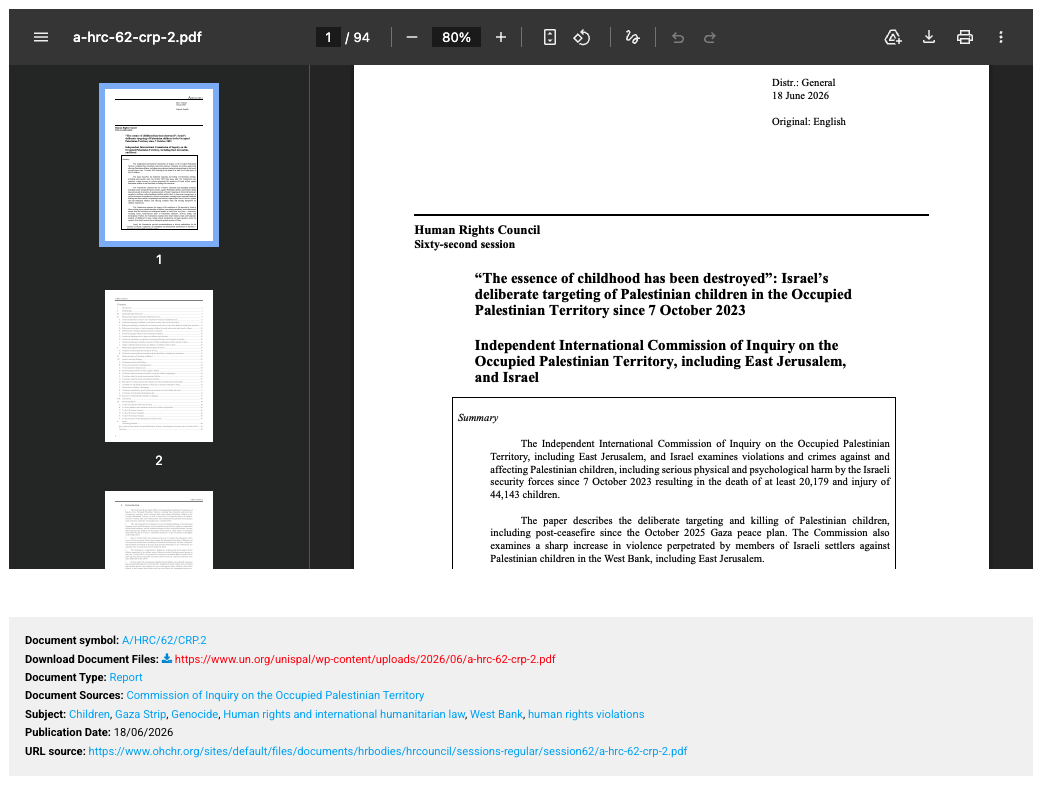





 world
world  change prompt